 Home Care Guides
What Is Respite Care for Veteran Caregivers?
Respite care for veteran caregivers gives family members a scheduled break from daily caregiving duties. A trained aide or facility temporarily takes over care responsibilities. This lets the primary caregiver rest, run errands, or simply step away for a while. Several VA programs include respite care as a built-in benefit, not an extra add-on.
Caregiving for a veteran is demanding work. It often happens without much recognition, and it can go on for years. Respite care exists because sustained caregiving, without any break, tends to wear people down over time. Taking a break isn’t a luxury. It’s part of keeping the whole caregiving arrangement sustainable.
Many family caregivers don’t think of themselves that way at first. A spouse helping a veteran with daily tasks, or an adult child managing appointments and medications, is doing caregiving work, even without the title. Recognizing that role is often the first step toward realizing respite care is actually available.
Signs a Caregiver Needs a Break
Caregiver burnout doesn’t always look dramatic. It often shows up gradually, through exhaustion, irritability, or a growing sense of isolation. Some caregivers notice they’ve stopped doing things they used to enjoy. Others notice their own health starting to slip, since caregiving leaves little time for their own appointments or self-care.
None of this means someone is failing as a caregiver. It means the workload has outpaced the support around it. Recognizing these signs early makes it easier to ask for help before things reach a breaking point.
Caregivers often wait far too long to ask for support, sometimes out of guilt, sometimes because they simply don’t realize help is available. Waiting rarely improves the situation. Care needs tend to grow over time, not shrink, and getting support in place early tends to prevent a harder crisis later.
VA Programs That Include Respite Care
Homemaker and Home Health Aide Respite
The VA Homemaker and Home Health Aide program includes respite care alongside its regular personal care services. A trained aide can step in for scheduled hours, giving the family caregiver time away. This runs through the same VA-contracted agency that provides the veteran’s regular care.
Veteran-Directed Care Respite
Veteran-Directed Care includes up to 30 days of respite care each year, built into the program’s flexible budget. Because the veteran or their representative manages this budget directly, respite scheduling can be arranged around what actually works for the family, rather than a fixed outside schedule.
Program of Comprehensive Assistance for Family Caregivers
This program, often called PCAFC, supports family caregivers of eligible veterans directly. It includes a monthly stipend for a primary family caregiver, along with at least 30 days of respite care annually. It’s specifically designed with caregiver wellbeing in mind, not just the veteran’s care needs.
How Much Time Off Is Typically Available
Availability depends on the specific program and the veteran’s individual care plan. Many programs offer somewhere around 30 days a year, though exact amounts vary. Some families use respite care in short, regular blocks, like a few hours each week. Others save it for occasional longer breaks, such as a family vacation or a medical procedure of their own.
There’s no single “correct” way to use it. The right pattern depends on what actually gives the caregiver meaningful rest.
Types of Respite Care
In-Home Respite
An aide comes to the veteran’s home and provides care there, on a temporary basis. This keeps the veteran in a familiar environment. It’s often the easiest option to arrange for regular, predictable breaks.
Facility-Based Respite
Some programs offer short residential stays at an approved facility. This suits longer breaks, or situations where a caregiver needs several consecutive days away. It also gives the veteran a change of scenery, which some families find beneficial.
Emergency Respite
Emergency respite covers sudden situations, like a caregiver’s own illness or a family emergency. Having this option in place ahead of time matters. Setting it up before a crisis hits means the family isn’t scrambling to find care during an already stressful moment.
What This Can Look Like in Practice
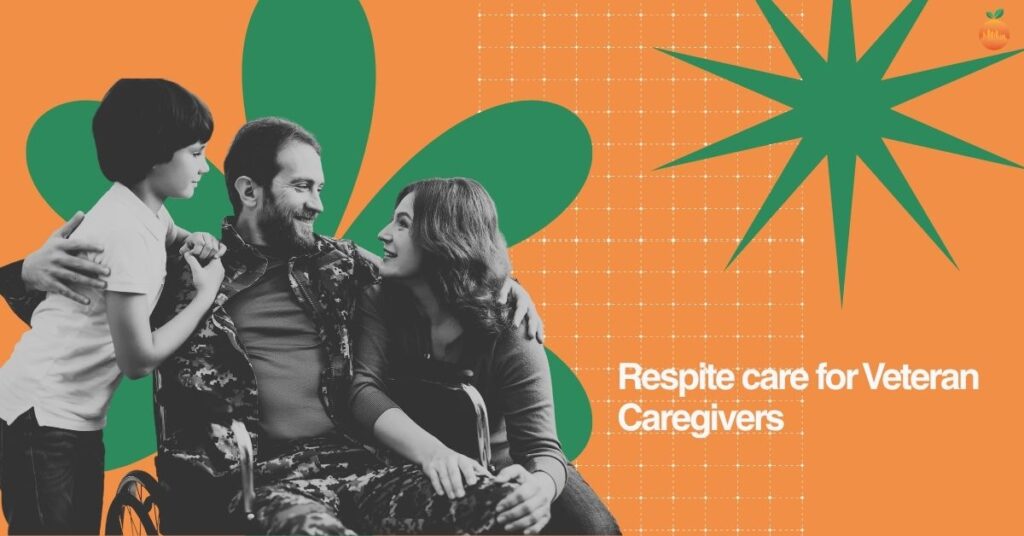
Consider a spouse caring for a veteran with mobility limitations, managing meals, medications, and daily personal care almost entirely alone. Over months, she stops seeing friends and starts missing her own medical appointments. That’s a common pattern, and it’s exactly what respite care for veteran caregivers is meant to interrupt.
With a respite plan in place, a trained aide covers a few afternoons a week. The spouse uses that time for her own appointments, or simply to rest. Meanwhile, the veteran still gets consistent, quality care, and the caregiver gets real breathing room. Neither piece has to be sacrificed for the other.
How to Get Started
Start with a conversation with the veteran’s VA social worker or case manager. They can explain what respite options exist under the veteran’s current care programs, and help set up a plan before it’s urgently needed. Waiting until burnout has already set in makes the process harder than it needs to be.
Documenting the caregiver’s own needs matters too. Being specific helps too. Naming what kind of break would actually help, whether that’s a few hours a week or a longer stretch, makes it easier for a social worker to match the family with the right respite option.
If Aid and Attendance is part of the plan, our partner, the VetAssist Program at Veterans Home Care, can help manage that application and even advance the cost of care, so respite doesn’t have to wait on VA approval.
Common Questions From Caregivers
Do I Have to Use the VA Specifically?
Not necessarily. Some families supplement VA-provided respite with privately arranged care, especially if VA respite hours run out before the year does. A home care agency can often fill those gaps.
Will Taking a Break Affect the Veteran’s Other Benefits?
Generally, no. Respite care is typically built into the veteran’s existing program, rather than functioning as a separate benefit that could interfere with something else. It’s worth confirming specifics with a VA social worker, since program details can vary.
What if I feel guilty taking a break?
That feeling is common, and understandable. But caregiver exhaustion tends to affect the quality of care over time, not just the caregiver’s own wellbeing. Taking scheduled breaks generally supports better care overall, not less of it.
Respite Care Support in Boca Raton, Delray Beach, and Boynton Beach
City Choice Home Health Care has supported families across Palm Beach County for more than two decades, including over 1,000 families in Boca Raton, Delray Beach, and Boynton Beach. Many of those families include a spouse, adult child, or other relative managing daily caregiving duties for a veteran.
We work alongside VA respite benefits regularly, providing in-home coverage during scheduled breaks or filling gaps when VA-arranged respite isn’t quite enough. Our team understands that supporting a veteran also means supporting the person caring for them day to day.
If caregiving has started to feel unsustainable, or you’re not sure what respite options exist for your family, reach out. We’re happy to talk through what a realistic plan could look like, without pressure or a sales pitch attached.