 Family Caregiver Resources
Bringing a home health aide into your family’s life raises a natural question: what exactly will they do? Families often assume aides handle everything medical, then feel surprised when certain requests get redirected to a nurse instead.
Understanding what home health aides are not allowed to do isn’t about limitations for their own sake. It’s about safety, training, and making sure every task gets handled by the right person. This guide walks through what aides can do, what falls outside their scope, and why those boundaries actually protect your family.
What Does a Home Health Aide Do?
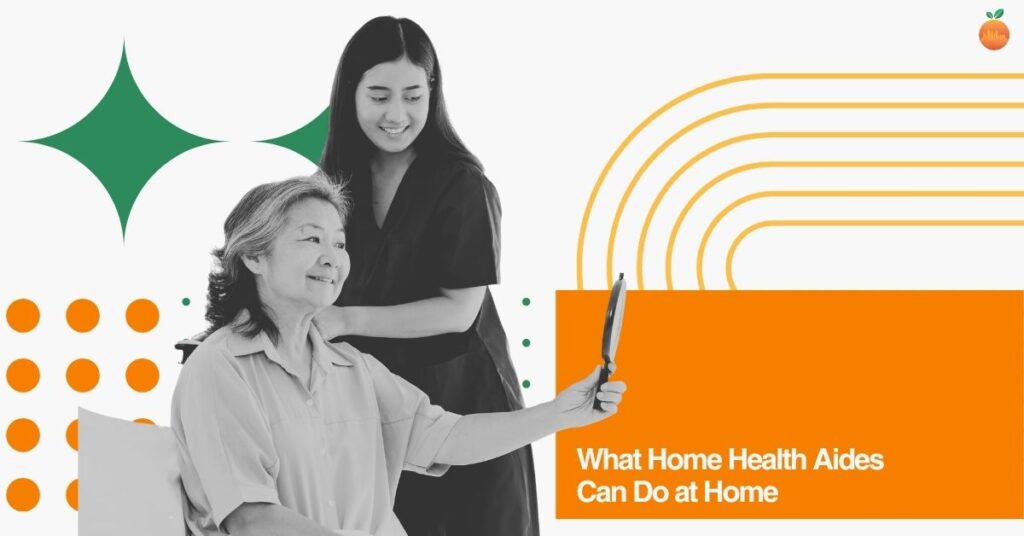
A home health aide provides hands-on daily support. This includes personal care like bathing and dressing, mobility assistance, meal preparation, medication reminders, light housekeeping, and companionship. Aides help clients stay safe and comfortable at home, but they don’t perform medical procedures or administer medication directly. Those tasks require a licensed nurse under proper clinical supervision.
Typical responsibilities include:
- Personal care. Bathing, dressing, grooming, and toileting assistance.
- Mobility support. Helping with transfers, walking, and positioning safely.
- Meal preparation. Cooking meals suited to dietary needs and preferences.
- Medication reminders. Prompting clients to take medications as scheduled, though not administering them directly.
- Light housekeeping. Tidying living spaces, laundry, and basic errands.
- Companionship. Conversation, engagement, and emotional support throughout the day.
This range covers most of what families actually need day to day. The boundaries come in when a task crosses into medical territory.
A Day in the Life of an Aide’s Visit
A typical visit often starts with checking in on how the client is feeling that day. Morning routines like bathing and dressing usually follow. Meal prep and medication reminders come next, along with light housekeeping or a walk if mobility allows. Companionship threads through all of it, conversation during a meal, help with a hobby, or simply sitting together. None of this requires medical training, but all of it makes a meaningful difference in someone’s day.
What Are Home Health Aides Not Allowed to Do?
Every state sets its own specific rules, but certain restrictions apply almost universally. Here’s where the line typically falls.
Administering Medications
Aides can remind clients when it’s time for a dose and help organize a pill schedule. What they cannot do is administer medication directly, especially injections. This requires clinical training and licensure that falls outside an aide’s certification.
Performing Medical Procedures
Tasks like wound care, catheter changes, or managing feeding tubes require sterile technique and clinical judgment. These responsibilities belong to a licensed nurse, not a home health aide, regardless of how routine the task might seem to an outside observer.
Diagnosing or Assessing Symptoms
An aide might notice a client seems more confused than usual, or spot swelling that wasn’t there before. Reporting that observation to a supervisor or nurse is well within their role. Interpreting what it means, or deciding on a treatment response, is not.
Handling Financial or Legal Matters
Aides may run errands like grocery shopping or picking up a prescription. Managing bank accounts, handling significant sums of money, or making legal decisions on a client’s behalf falls to family members or those with legal authority, not the aide.
Making Independent Care Decisions
Care plans get built by a Registered Nurse, adjusted through ongoing clinical oversight. An aide follows that plan and flags anything that seems off, but doesn’t unilaterally change the approach to someone’s care.
Accepting Gifts or Extra Payment
This one surprises some families. Reputable agencies generally prohibit aides from accepting gifts or money beyond agreed compensation. It’s an ethical boundary meant to keep the relationship professional and protect both the client and the aide.
Where the Line Gets Blurry
Some tasks sit in a gray area that confuses families. Applying an over-the-counter cream, for example, is usually fine. A prescribed medical ointment used as part of a treatment plan often isn’t, depending on the state and the specific product. Helping someone into a shower is standard. Assisting with a complex piece of medical equipment typically isn’t. When in doubt, the safest approach is to ask the agency directly rather than assume either way. A good agency will give a straight answer instead of a vague one.
Florida’s Rules on Home Health Aides
Florida law treats home health aides somewhat differently than other healthcare roles. According to the state’s Agency for Health Care Administration, home health aides are not individually licensed or certified by AHCA or any other state or federal agency. Instead, oversight happens at the agency level, through the home health agency’s own licensing, training standards, and supervision requirements.
This makes the agency’s credentials especially important. City Choice holds AHCA licensing and Medicare certification. That means our training standards, supervision structure, and hiring practices are held to a higher bar than an individually hired aide working without agency oversight.
Why These Boundaries Exist
It’s easy to read a list of restrictions and feel like they add friction to getting help. In practice, they exist for good reason. Medical tasks carry real risk when performed without proper training, injections, wound care, and medication administration among them. Keeping these tasks with licensed professionals protects clients from preventable harm.
These boundaries also protect the aide. Asking someone to perform tasks outside their training puts them in an unfair position, one where a mistake could have serious consequences for everyone involved. Clear scope of practice keeps expectations honest on both sides.
Families sometimes push back on a boundary in the moment, especially during a stressful situation where waiting for a nurse feels inconvenient. It’s worth remembering that these limits exist even then. An aide who bends the rules under pressure isn’t doing anyone a favor, even if it feels helpful in the moment. Routing the request through the right channel is always the safer path, even if it takes a little longer.
How City Choice Coordinates Aides With Nurses
The real value of a well-run home care team isn’t just what the aide does. It’s how smoothly they work alongside the clinical side of care. City Choice structures every care plan under Registered Nurse supervision, so aides and nurses stay connected rather than operating in separate silos.
When an aide notices something worth flagging, a change in appetite, new confusion, unusual fatigue, that observation goes directly to the nursing team overseeing the case. If a task requires skilled nursing, therapy, or physician involvement, City Choice coordinates that transition without the family having to manage it themselves.
This structure means families get the best of both. Consistent, familiar daily support comes from an aide, while clinical oversight stays ready to step in whenever something falls outside that scope.
What This Looks Like for South Florida Families
Boca Raton, Delray Beach, and Boynton Beach families often juggle care across multiple providers, primary care physicians, specialists, and sometimes rehabilitation facilities. Having a home health aide who reports clearly to a nursing team, rather than operating independently, keeps that broader picture connected. It means fewer gaps, fewer miscommunications, and less burden on family members trying to piece everything together themselves.
Frequently Asked Questions
Can a home health aide give my loved one their medication?
Aides can remind clients to take medication and help organize pill schedules, but they cannot administer medication directly, including injections or IV medications. Administering medication requires clinical training and licensure beyond an aide’s certification. If your loved one needs medication administered rather than just a reminder, a Registered Nurse or LPN handles that part of the care plan.
What should I do if a task falls outside an aide’s scope?
Raise it with your care coordinator or supervising nurse right away. City Choice can bring in the right level of support, whether that’s skilled nursing, a specific therapy service, or physician coordination. This kind of flexible escalation is exactly what a well-structured, nurse-supervised home care team is designed to handle.
Are home health aides in Florida licensed individually?
No. Florida’s AHCA does not license or certify individual home health aides directly. Oversight instead comes through the licensed home health agency employing them, including that agency’s own training standards, background checks, and supervision requirements. Choosing an AHCA-licensed, Medicare-certified agency matters more than checking any individual aide’s personal credentials on their own.
How much training does a home health aide actually have?
Requirements vary by state, but most involve a set number of training hours plus a competency exam before certification. Reputable agencies typically add their own ongoing training on top of the state minimum, covering topics like infection control, safe transfers, and dementia-specific care. City Choice hires selectively and continues training staff well beyond the minimum state requirement.
What’s the difference between a home health aide and a caregiver?
The terms overlap significantly, and definitions vary by agency. Generally, a home health aide provides both personal care and basic health monitoring under nursing supervision. A caregiver or personal care aide focuses more narrowly on daily living assistance and companionship, without the health-monitoring component. Our caregivers page details how City Choice structures each role.
Does Medicare cover a home health aide?
Medicare Part A or B may cover home health aide services under specific conditions. This typically requires a physician to certify a need for skilled nursing or therapy alongside the aide’s support, with the person considered homebound. Custodial aide services alone, without a skilled care component, generally aren’t covered. A consultation can clarify your specific situation.
Related Article:
Getting Started with City Choice
Understanding what home health aides are not allowed to do helps families set realistic expectations from day one, and know exactly when clinical support steps in. City Choice builds every care plan around clear communication between aides, nurses, and your family.
Call 305-363-7755 or request a free consultation to talk through what your loved one needs.
Related Articles