 Family Caregiver Resources
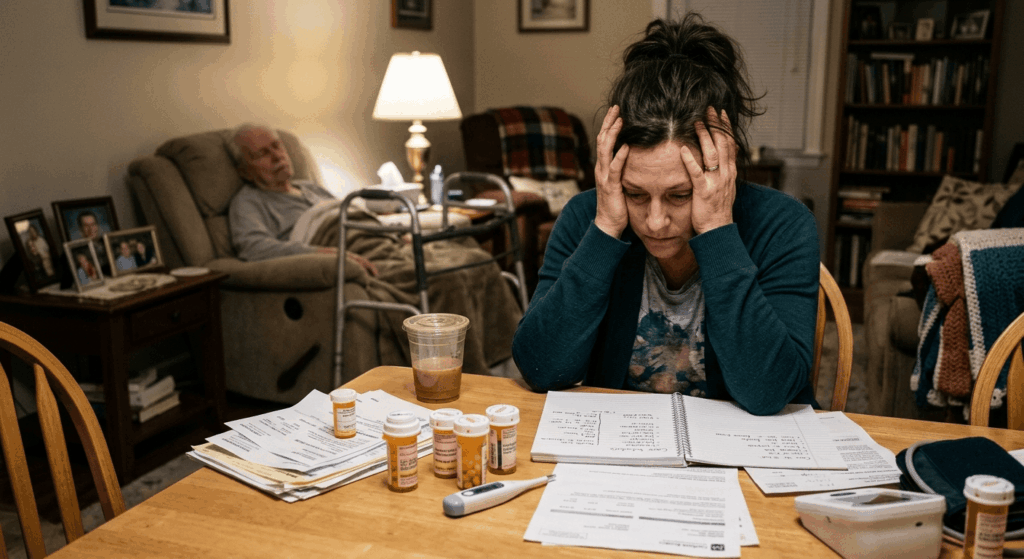
Caring for another person is one of the most meaningful things you can do. Whether you are a family member looking after an aging parent or a professional home health aide providing daily support to a client, caregiving requires immense physical, emotional, and mental energy. Over time, that energy can run out — and when it does, the result is caregiver burnout.
Caregiver burnout is not a sign of weakness or failure. It is a recognized state of chronic exhaustion that develops when caregivers do not get the support or rest they need. Left unaddressed, it can harm both the caregiver and the person receiving care. The good news is that it is preventable — and recognizing it early makes all the difference.
In this guide, we cover what caregiver burnout looks like, who is most at risk, and the practical steps you can take to protect your well-being while continuing to provide excellent care.
What Is Caregiver Burnout?
Caregiver burnout is a state of physical, emotional, and mental exhaustion that can occur when caregivers neglect their own needs in order to focus on the needs of others. It often develops gradually and can be easy to overlook — especially for caregivers who feel a deep sense of duty or obligation.
Research defines caregiver burden as a multidimensional response encompassing struggles across fiscal, physical, psychological, emotional, and social well-being dimensions — meaning the toll it takes is rarely limited to one area of a person’s life.
Unlike everyday stress, burnout does not go away with a good night’s sleep. It builds up over weeks or months and can lead to serious consequences if not addressed, including declining health, strained relationships, and reduced quality of care. It affects two groups in particular: unpaid family caregivers who step in to help a loved one, and professional caregivers such as home health aides and personal care workers. Both groups face unique pressures, and both deserve support.
Warning Signs of Caregiver Burnout
Burnout looks different for everyone, but there are common warning signs that show up across both family and professional caregivers. Pay attention if you or someone you know is experiencing any of the following:
Emotional Signs
- Feeling constantly overwhelmed, anxious, or hopeless
- Increased irritability or mood swings
- Loss of joy in activities that used to bring satisfaction
- Feeling resentful toward the person you are caring for
- Emotional numbness or detachment
- Crying more often than usual or for no clear reason
Physical Signs
- Chronic fatigue that does not improve with rest
- Frequent headaches, body aches, or getting sick more often
- Changes in sleep — either sleeping too much or struggling to sleep
- Changes in appetite or weight
- Neglecting your own medical appointments or health needs
Behavioral Signs
- Withdrawing from friends, family, or social activities
- Losing interest in your work or feeling like it no longer matters
- Increased use of alcohol, caffeine, or other substances to cope
- Skipping breaks or working longer hours without recovery
- Difficulty concentrating or making decisions
If several of these resonate with you, it is important to take them seriously. These are not just signs of a bad week — they are your body and mind signaling that something needs to change.
Who Is Most at Risk?
While anyone in a caregiving role can experience burnout, certain situations increase the risk significantly.
- Family caregivers who live with or provide round-the-clock care for a loved one
- Caregivers who have little or no support from other family members
- Professional aides who work long shifts or care for multiple clients
- Caregivers supporting someone with dementia, Alzheimer’s, or severe mental illness
- People who struggle to set personal boundaries or ask for help
- Caregivers who have a personal history of anxiety, depression, or chronic stress
Research also points to gender as a meaningful risk factor. Female caregivers tend to spend more time caregiving, take on a greater number of tasks, and are more likely to be caring for someone with cognitive or behavioral problems — all of which contribute to a higher overall burden compared to male caregivers.
Recognizing that you are in a high-risk group is not cause for alarm — it is cause for action. Taking proactive steps now can prevent a much harder situation later.
The Hidden Cost: Financial and Employment Impact
Caregiver burnout does not stop at physical and emotional exhaustion — it has real financial consequences that often go unacknowledged.
A survey conducted in the United States found that dementia caregivers spend close to 20% of their income on caregiving-related expenses, including medical care, personal care items, and household costs for the person they are caring for.
Beyond direct expenses, caregiving frequently disrupts employment. Caregivers often reduce their working hours, turn down promotions, or leave jobs entirely to meet care demands — creating long-term financial strain that compounds the stress they are already carrying.
If you are a family caregiver feeling the financial pressure, know that you are not alone — and that professional home care services can sometimes be more cost-effective than stepping away from work to provide care full time.
What Burnout Actually Does to Your Body
Many caregivers are aware of the emotional toll of their role, but fewer realize the very real physical health risks that come with chronic caregiving stress. The research on this is sobering.
Studies have linked sustained caregiving stress to reduced sleep quality, impaired immune function, and a higher risk of serious conditions including coronary heart disease and stroke. Spousal caregivers face a particularly stark risk: research has found they are at significantly elevated risk of cognitive decline — and in one study, spousal caregivers had a six-fold higher likelihood of developing dementia themselves compared to non-caregivers.
These are not edge cases. They are well-documented outcomes of untreated caregiver burnout. This is why early intervention and consistent self-care are not optional — they are medically important.
How to Prevent Caregiver Burnout
Prevention is far more effective than recovery. These strategies work for both family caregivers and professional home health aides.
1. Ask for Help and Accept It
Many caregivers feel that asking for help is a sign they cannot handle the responsibility. It is not. Caregiving was never meant to be a solo task. Reach out to family members, friends, neighbors, or community organizations. If you are a professional aide, communicate openly with your supervisor when your workload becomes unmanageable.
2. Set Boundaries and Protect Your Time Off
Taking breaks is not selfish — it is necessary. Schedule regular time for yourself and treat it as non-negotiable. Even short breaks throughout the day can make a meaningful difference. Family caregivers should explore respite care options that allow them to step away temporarily without guilt.
3. Prioritize Your Own Health
It is easy to deprioritize your own health when someone else’s needs feel more urgent. But the research is clear: a caregiver who is sick, exhausted, or emotionally depleted is at genuine risk for serious health consequences — not just reduced effectiveness. Keep your medical appointments, get adequate sleep, eat regular meals, and make time for physical activity, even a short daily walk.
This is especially critical for spousal caregivers, who face measurably higher rates of cardiovascular and cognitive health decline when their own care needs go unmet.
4. Use Effective Coping Strategies
Not all coping strategies are equally effective. Research identifies three main approaches caregivers tend to use: emotion-focused strategies (managing anxiety and stress through reflection), problem-focused strategies (actively addressing specific challenges), and dysfunctional strategies (avoidance, escape, or confrontation without resolution).
Problem-focused strategies tend to be most effective for dealing with specific caregiving challenges. However, a combination of problem-focused and emotion-focused approaches is often the most sustainable path. Dysfunctional strategies — such as simply pushing through or withdrawing from others — are associated with higher rates of depression and poorer outcomes for both caregiver and patient.
5. Connect With Others Who Understand
Isolation is one of the fastest paths to burnout. Connecting with others in similar situations — through a caregiver support group, an online community, or peer conversations at work — can reduce feelings of loneliness and provide practical advice.
Online support communities have shown particular promise. Research has found that participation in social networks can moderate caregiver burden by allowing caregivers to exchange information, learn coping strategies, and share their experiences with people who genuinely understand. Simply knowing you are not alone carries measurable psychological benefit.
6. Know When to Seek Professional Support
If you are experiencing persistent sadness, anxiety, or thoughts of self-harm, please reach out to a mental health professional. Therapy, counseling, and support programs specifically designed for caregivers are widely available. Seeking help is a sign of strength, not failure. Psychoeducational interventions — programs that teach caregivers about the conditions they are managing and how to respond — have been shown in multiple studies to reduce burden and delay the need for institutional care.
7. Use Available Resources
In Florida, there are numerous resources available to caregivers, including the Florida Department of Elder Affairs, the Eldercare Locator, and local Area Agencies on Aging. These organizations can connect you with respite care, counseling services, financial assistance, and educational programs designed to help caregivers thrive.
A Note for Professional Home Health Aides
If you work as a home health aide or personal care worker, your well-being matters just as much as the clients you serve. The emotional labor of professional caregiving is significant and often underappreciated. You witness difficult moments, build genuine relationships with clients and their families, and carry the weight of that work home with you.
A good home health care agency will support its staff with clear communication, reasonable workloads, access to mental health resources, and a culture that values rest and recovery. If you are not getting that support, it is worth having an honest conversation with your employer about what you need.
At City Choice Home Health Care of Florida, we believe that caring for our caregivers is fundamental to delivering excellent care. Our staff are our greatest asset, and their health and well-being are a priority — not an afterthought.
A Note for Family Caregivers
If you are caring for a parent, spouse, or other loved one at home, you are doing something extraordinary. But extraordinary effort sustained over time without relief leads to breakdown — not breakthrough. Your love for the person you care for does not require you to sacrifice your own health.
Professional home health care services can be a meaningful solution. Bringing in a trained aide — even part-time — allows you to step back, recharge, and show up more fully for your loved one. It is not giving up. It is getting smarter about how care is delivered.