 Family Caregiver Resources
It takes only a few minutes. You turn to answer the phone, and the front door is open. Your father is gone. Dementia wandering is one of the most frightening parts of caring for someone with memory loss. It is also one of the most common.
The good news is that you can lower the risk. This guide explains why wandering happens, the early warning signs, and the safety steps that help. It also covers what to do in the first minutes if your loved one goes missing.
What Is Dementia Wandering?
Dementia wandering is when a person with memory loss walks or travels away from a safe place without understanding the danger around them. It often follows confusion, restlessness, or a feeling of needing to go somewhere. Wandering can happen at any stage of the disease and can put a person at serious risk within minutes.
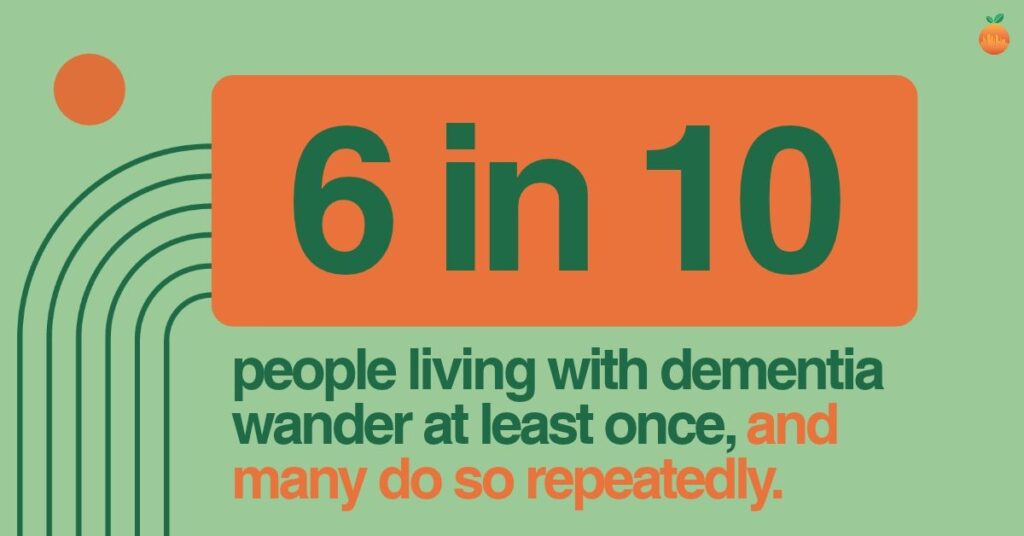
The Alzheimer’s Association reports that six in 10 people living with dementia wander at least once, and many do so repeatedly.¹ Wandering can happen at any stage of the disease.¹ A mild case today can become a crisis next month, so prepare early.
Related Study/Source: The Alzheimer’s Association notes that many people who wander are found within 1.5 miles of where they disappeared. If a person is not found within 15 minutes, the group advises calling 911 and telling the authorities that the person has dementia.¹
Why Do People With Dementia Wander?
People with dementia wander because memory loss makes familiar places feel strange. They may search for a past home, job, or loved one, or react to boredom, pain, hunger, or fear. Confusion often rises in the late afternoon. That urge to leave feels logical to them, even though it puts them in real danger.
Alzheimer’s disease causes people to lose the ability to recognize familiar places and faces.¹ A home can suddenly feel strange, and a spouse can look like a stranger. The urge to leave can feel completely logical to the person.
Common reasons include:
- Looking for a past home, job, or family member
- Boredom or restlessness
- Pain, hunger, thirst, or a need for the bathroom
- Confusion that grows worse in the late afternoon
- Fear or stress in a noisy or crowded place
Evenings can be especially hard. Our post on sundowning explains why confusion often peaks late in the day. Many wandering episodes begin around that time.
What Are the Warning Signs of Wandering?
Wandering rarely starts without hints. The Alzheimer’s Association lists these signs:¹
- Returning later than usual from a walk or drive
- Trouble finding familiar places, such as the bathroom
- Repeatedly trying to “go home,” even while at home
- Pacing, restlessness, or repetitive movements
- Anxiety in crowded places like markets or restaurants
- Asking about past friends or family, or talking about former jobs
Any one of these is a signal. Two or three together mean you should act now. Do not wait for the first escape.
How Can You Prevent Wandering at Home?
You can prevent dementia wandering by making exits harder to use and the home calmer. Place locks out of sight, add door chimes, and hide coats and keys. Keep days structured, meet basic needs like food and toileting, and never leave a person with a history of wandering alone. No single step guarantees safety, so combine several.

The Alzheimer’s Association offers practical tips. Schedule structured activities, especially at the time of day when your loved one is most likely to wander.¹ Make sure basic needs are met, including toileting, eating, and drinking.¹ Reassure the person if they seem lost or disoriented.¹
The association also stresses that these steps cannot guarantee the person will not wander.¹ That is why layers matter.
Make the Home Safer
- Place deadbolts out of sight on exterior doors, but never lock a person in¹
- Use night lights, and camouflage doors by matching them to the walls¹
- Add a door chime or a pressure-sensitive mat as a movement alert¹ ²
- Fence outdoor areas and lock the gate²
- Store coats, hats, keys, wallets, and shoes out of sight¹ ²
The National Institute on Aging adds that locked doors and doorknob covers should be used only when a caregiver is present, so exits stay usable in an emergency.² Safety for the whole home matters as well. Our home safety checklist covers every room.
Keep Days Calm and Active
Boredom drives wandering. A simple routine gives the day shape. Include a walk, music, folding laundry, or a favorite snack. Physical activity can burn off restless energy before it turns into pacing.
Reduce, but do not eliminate, liquids about two hours before bed.¹ This can cut nighttime trips to the bathroom that lead to confusion.
What Safety Tools Help in Florida?
Preparation helps most. Do these things before an emergency:
- Keep a recent close-up photo and a short written description on hand¹ ²
- Make sure your loved one wears an ID bracelet or carries identification²
- Label clothing with the person’s name²
- Tell neighbors and local police that your loved one may wander²
- List places the person might go, and mark hazards such as water, stairwells, and busy roads¹
The NIA recommends that the person wear a medical bracelet, so others can learn about the illness and where the person lives if they cannot communicate.² It also suggests keeping a bag of unwashed, worn clothing, which can help search dogs.²
Water is a real concern in South Florida. Canals, ponds, pools, and the Intracoastal are close to many neighborhoods. Fence pools and keep gates locked. Mention nearby water when you talk with police.
How Should You Respond When Your Loved One Tries to Leave?

Stay calm. Arguing rarely works. A raised voice can add fear and make the person bolt.
Try gentle redirection. Ask about their plan, then offer a pause. You might say, “Let’s have a snack first, and then we can go.” Walk with them for a few minutes, and guide them back toward home. Reassure the person if they seem lost.¹
Avoid quizzing them. Questions like “Where do you think you are?” can cause embarrassment. Simple, warm words work better.
Afterward, look for the trigger. Was it hunger, pain, noise, or boredom? Write it down. Patterns point to fixes.
How Can You Handle Night-Time Wandering?
Night is hard for many families. A person may wake confused and believe it is time to leave for work. Sleep problems and restlessness raise the risk.
Keep the bedroom calm, quiet, and softly lit. Use night lights along the path to the bathroom. Limit caffeine and large drinks late in the day. Get daylight and gentle activity earlier in the day to support better sleep.
A door chime or movement mat can alert you if your loved one gets up. Place it where you will hear it. If nights are too much to manage alone, consider overnight help so you can rest.
What Should You Know About Outings and Visits?
Wandering can happen away from home, too. A crowded store or busy parking lot can cause panic. The Alzheimer’s Association advises avoiding confusing places such as shopping malls, and never leaving the person unsupervised in unfamiliar surroundings.¹
Keep outings short and quiet. Go at calm times of day. Stay within arm’s reach. Never leave your loved one alone in a car.¹
Tell visitors about the risk, too. Ask guests to close doors and gates behind them. A friendly reminder keeps everyone alert.
What Should You Do If Someone With Dementia Goes Missing?
Start searching right away. Check the immediate area first, including ponds, tree lines, and fence lines. If your loved one is not found within 15 minutes, call 911 and tell the dispatcher the person has dementia. Share a recent photo, a description of what they are wearing, and any places they may try to go.
Do not wait. Time matters. The Alzheimer’s Association advises searching immediately, starting with the surrounding area.¹ It also notes that wandering often follows the direction of the dominant hand.¹ Check that direction early.
Ask a neighbor or relative to help. One person can search while another makes the call. Keep your phone nearby and stay reachable.
How Does the Florida Silver Alert Work?
Florida has a Silver Alert program that helps find missing people with memory loss.
Call 911 or your local police department or sheriff’s office first, and ask whether a Silver Alert can be issued.
If the person is traveling by car, give the police the vehicle’s description and plate number. Keep the plate number handy.
Is It Time for More Help at Home?
Wandering often means needs have grown. Watching around the clock is exhausting. Sleep suffers, and so does your own health.
Signs that you need support include:
- Your loved one tries to leave at night
- You cannot safely leave them alone, even briefly
- You are not sleeping or eating well
- You feel constantly on edge
Help can take many forms. A caregiver can provide supervision, redirect restlessness, and give you rest. Our post on caregiver burnout explains how to spot the warning signs in yourself. For a wider view of care, see our guide to dementia care for Boca Raton families.
How City Choice Home Health Care of Florida Supports Families Facing Wandering
For more than two decades, City Choice Home Health Care of Florida has supported families in Boca Raton, Delray Beach, and Boynton Beach. As a Medicare-certified agency, we have cared for more than 1,000 families.
Our team provides skilled nursing and therapy services at home, including physical, occupational, and speech therapy. Caregivers can help with bathing, dressing, meals, medication reminders, and rides to appointments. We also offer overnight or 24-hour care when needed.
Extra supervision at home can bring peace of mind, especially during the evening hours when confusion tends to rise. Call us to talk through your options, and we will explain how home health care can fit your family’s needs.
Frequently Asked Questions
Does Everyone With Dementia Wander?
No, but it is common. Six in 10 people with dementia wander at least once.¹ It is safest to plan for it from the start.
Can Wandering Be Stopped Completely?
Not always. The Alzheimer’s Association says no set of steps can guarantee a person will not wander.¹ Layers of protection lower the risk and speed a safe return.
Should I Lock My Parent in the House?
No. Never lock a person in.¹ Use hidden deadbolts, chimes, and alerts instead, and keep exits usable in an emergency.¹ ²
How Long Do I Wait Before Calling 911?
Do not wait long. If your loved one is not found within 15 minutes, call 911 and say the person has dementia.¹ Many families call sooner, which is a sound choice.
Plan Now, Stay Calmer Later
Dementia wandering is common, but it is not hopeless. Learn the warning signs, make exits harder to use, and keep an ID and a recent photo ready. Know the steps if the worst happens. A little preparation can protect your loved one and give you peace of mind.
Related Articles
Sundowning: Why Evenings Get Harder for Loved Ones With Dementia in Boca Raton
Dementia Care for Boca Raton Families
Home Safety Checklist for Aging in Place
Caregiver Burnout: Signs, Symptoms, and How to Prevent It
Hearing Loss and Dementia: What Delray Beach Families Should Know
Sources
1. Alzheimer’s Association. Wandering. Accessed October 14, 2026. https://www.alz.org/help-support/caregiving/stages-behaviors/wandering
2. National Institute on Aging. Wandering and Alzheimer’s disease. Accessed October 14, 2026. https://eastonad.ucla.edu/sites/g/files/oketem336/files/media/documents/Wandering-and-Alzheimers_Disease-NIA-2017-2021.pdf