 Family Caregiver Resources
Your father sleeps most of the day now. He pushes his plate away and says little. You sit by the bed and wonder whether this is the change you have been dreading.
Knowing the signs of end of life will not make the days easy. It can make them less frightening. This guide explains what families often see, why it happens, and what helps. You will also find a bedside comfort checklist and a short list of things to prepare now.
What Are the Signs of End of Life?
The signs of end of life often include more sleep, less interest in food and drink, changes in breathing, cool and blotchy hands and feet, and confusion or restlessness. According to the National Cancer Institute, the end of life may be months, weeks, days, or hours. Ask the care team what to expect for your loved one.¹
Not every person shows every sign. Some changes start early, and others appear only in the last days. A doctor or hospice nurse can tell you which ones fit your family’s situation.
Why Does a Person Sleep More and Stop Eating?
People near the end of life often withdraw and spend more time sleeping. In the final days to hours, many lose the desire to eat or drink. The National Cancer Institute advises families not to force food or fluids, because that can cause discomfort or choking. Ice chips or a swab on the lips keep the mouth moist.¹
Columbia Doctors adds that sleepiness usually increases and a person may be harder to wake.² Small sips or bites can be offered as long as the person is alert and able to swallow.²
It helps to remember that food is no longer the goal. Comfort is. Offering a taste is kind. Pressing a meal is not.
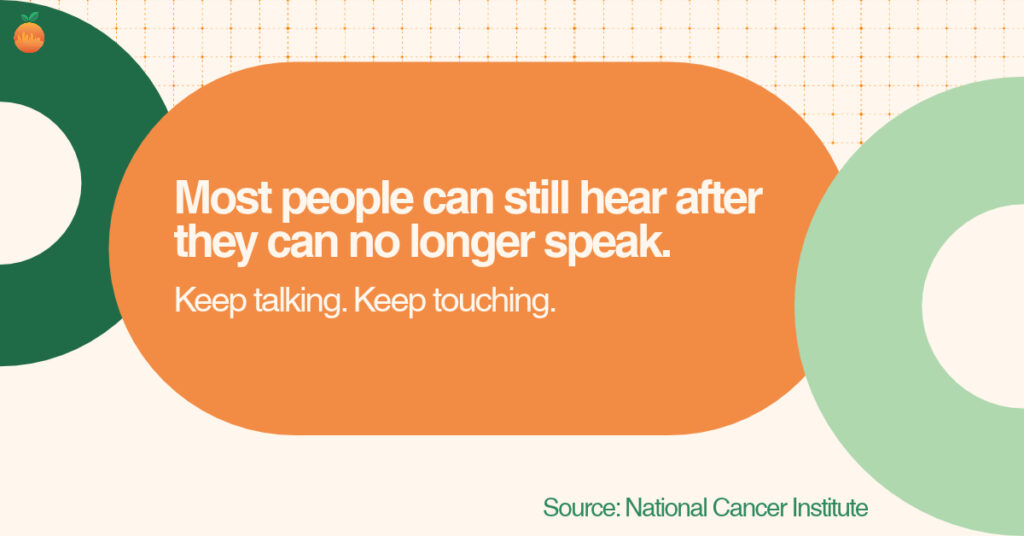
Related Study/Source: The National Cancer Institute says most people can still hear after they can no longer speak.¹ Keep talking and keep touching, even when there is no reply.
What Changes Happen in Breathing?
Breathing may become irregular. It can turn very shallow, pause for short periods, or become deep and rapid. Breathing may also sound wet and noisy. The National Cancer Institute calls this death rattle and says it can signal that death may occur in hours or days. Tell the care team about any new breathing changes.¹²
Some people feel short of breath, and a doctor can prescribe treatments for that.² Do not wait to ask. Relief is available.
The sound can be hard to hear. It often upsets families more than the person in the bed. Stay close and speak softly.
What Happens to the Skin and Body Temperature?
The hands and feet may become blotchy, cold, or blue.¹ Use blankets for warmth. The National Cancer Institute says not to use electric blankets or heating pads.¹
Urine may also lessen and turn dark.¹ Share these changes with the hospice nurse or doctor. They help the team judge how the person is doing.
Why Does a Loved One Become Confused or Restless?
A person may answer questions slowly or not at all, and may seem confused.¹ Some become agitated or restless. Hallucinations can also occur.¹
Columbia Doctors notes that recent events may mix with distant memories.² Some people see or hear things others cannot, which is called delirium.² Medicine can help keep the person calm.²
Tell the doctor or hospice worker about delirium right away.² Speak gently and avoid arguing about what they see. A calm voice does more than a correction.
What Can You Expect Week by Week, Day by Day?
Timing is hard to predict, and no source gives an exact schedule. Still, a loose guide helps families prepare. This list pairs what you may notice with what you can do:
- More sleep, less talking: Sit close, speak softly, and keep visits short and calm
- Little interest in food: Offer ice chips or sips only while the person can swallow safely, and never force food
- Noisy or irregular breathing: Call the hospice nurse or doctor and ask about comfort treatments
- Cool, blotchy hands and feet: Add light blankets, and skip heating pads
- Confusion or hallucinations: Stay calm, and report them to the care team
- Less urine, and darker: Tell the nurse or doctor
Treat this as a list of clues, not a countdown. Each person is different.
How Do You Keep Your Loved One Comfortable?
Comfort is the main job now. This bedside checklist keeps it simple:
- Keep lips and mouth moist with ice chips or a swab
- Add or remove light blankets as the person feels cool or warm
- Keep the room quiet, with soft light
- Play favorite music, or read aloud, if the person likes it
- Hold a hand, and keep talking, since hearing may last
- Use disposable pads and underwear if needed, which hospice programs or drugstores can supply²
- Ask the doctor or hospice team about pain, breathing, and restlessness
Prayer, religious music, and familiar routines can bring peace for some people.³ Ask what your loved one would want. Then follow that.
When Should You Call Hospice or the Doctor?
Call the hospice team or doctor whenever something new appears or comfort slips. That includes noisy breathing, shortness of breath, restlessness, hallucinations, or pain. The National Cancer Institute says doctors, patients, and caregivers should discuss hospice care and when it should begin. Hospice teams can explain what to expect in the coming hours, days, or weeks.¹³
MedlinePlus says to consider hospice when a doctor predicts six months or less to live.³ Ask how the hospice staff coordinate care. Check whether Medicare, Medicaid, or private insurance covers it.³
If no hospice team is involved and you believe the person is in danger, call 911.
What Should You Prepare Now?
Planning before the last days spares families hard choices. MedlinePlus suggests an advance care plan that records a person’s wishes for future care.³ Use this short list:
- Find any advance directive, and keep copies in the medical files³
- Give a trusted person access to important documents³
- Ask the doctor about a do-not-resuscitate order, which tells health professionals not to perform CPR at the time of death¹
- Confirm who will make decisions if your loved one cannot³
- Write down the doctor and hospice phone numbers where everyone can see them
A person can ask for a DNR order, and can ask to change or remove it at any time.¹ If the person cannot decide, MedlinePlus suggests asking what gave their life meaning and whether they ever shared their wishes.³
Where Can Care Happen?
End-of-life care can take place at home, in a hospital, or in a care facility.³ Each setting differs in cost and in the equipment a family needs.³ Many families prefer home for the comfort of familiar things.
Care at home still asks a lot of family. Hospice staff explain what to expect, but family or caregivers often still provide daily care.³ Our guide on home care versus a nursing home can help you weigh the options.
What If the Person Has Dementia?
MedlinePlus says dementia is terminal and its progression is hard to predict.³ Signs of the final stage can include being unable to move independently, to speak or be understood, and to swallow without difficulty.³ Decisions may focus on comfort rather than prolonging life.³
Our guide to dementia for Boca Raton families covers the earlier stages. Talk with the doctor about what comfort looks like for your parent.
What Happens After Death?
Families may wish to stay with the person for a while. Customs and rituals can matter.¹ Hospice staff, health care providers, social workers, and spiritual leaders can explain the steps that follow.¹ You do not need to rush.
Ask for help with each step. Call a trusted friend to sit with you.
Who Takes Care of the Caregiver?
MedlinePlus notes that family and friends need support too, and that caregiving can be a lot to manage.³ Being present in whatever way you can is helpful.³ Share practical tasks, and keep up your connections.³
Watch for signs of strain in yourself. Our guide on caregiver burnout signs and how to prevent it lists them. Grief is heavy. If you feel overwhelmed or in crisis, call or text 988 for free, confidential help at any hour.⁴ Call 911 if someone is in immediate danger.
How City Choice Home Health Care of Florida Supports Families
For more than two decades, City Choice Home Health Care of Florida has helped families in Boca Raton, Delray Beach, and Boynton Beach. We are Medicare-certified and have served more than 1,000 families. Skilled nursing and therapy, including physical, occupational, and speech therapy, can be provided at home.
Our caregivers help with bathing, dressing, meals, medication reminders, and rides to appointments. Overnight and 24-hour care are available when your family needs rest. Read about 24/7 home care in Boynton Beach to see how that works.
Contact City Choice Home Health Care of Florida to talk through what your family needs.
Frequently Asked Questions
Can a dying person still hear?
Most people can still hear after they can no longer speak.¹ Keep talking and keep touching, even if there is no response.¹
Should I force my loved one to eat or drink?
No. Forcing food or fluids can cause discomfort or choking.¹ Offer ice chips or sips only while the person is alert and able to swallow.²
What is the death rattle?
It is noisy, moist breathing near the end of life.¹² The National Cancer Institute says it can signal that death may occur in hours or days.¹
When should we think about hospice?
MedlinePlus says to consider it when a doctor predicts six months or less to live.³ Talk with the doctor early.
Be Present, Not Perfect
The signs of end of life are hard to watch. They are also a guide. Sleep, quiet breathing, and a loss of appetite tell you what comfort looks like now. Start with one call to the care team and one calm hour at the bedside. Then take the next hour as it comes.
Related Articles
- Caregiver Burnout: Signs, Symptoms and How to Prevent It
- Dementia for Boca Raton Families
- Home Care vs. Nursing Home
- 24 Hours a Day, 7 Days a Week Home Care in Boynton Beach
- When a Parent Won’t Accept Help
Sources
1. National Cancer Institute. Last days of life (PDQ)–patient version. Updated October 15, 2024. Accessed November 12, 2026. https://www.cancer.gov/about-cancer/advanced-cancer/caregivers/planning/last-days-pdq
2. Columbia Doctors. Physical and emotional changes as death approaches. Accessed November 12, 2026. https://www.columbiadoctors.org/health-library/article/physical-emotional-changes-death-approaches/
3. NIH MedlinePlus Magazine. End-of-life care: what to expect and how to plan. November 1, 2024. Accessed November 12, 2026. https://magazine-local.medlineplus.gov/article/end-of-life-care-what-to-expect-and-how-to-plan
4. Centers for Disease Control and Prevention. Mental health resources. Accessed November 12, 2026. https://cdc.gov/mental-health/caring/index.html