 Senior Health Wellness
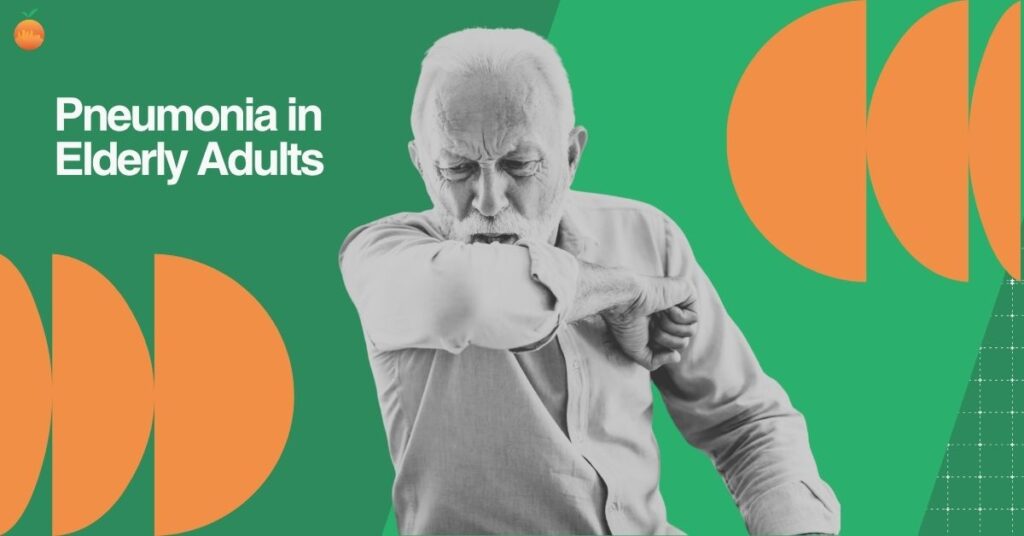
Pneumonia in elderly adults is a lung infection that can turn serious quickly. In older adults, the first sign may be confusion or unusual tiredness instead of a high fever. Call the doctor fast if your parent has a cough with trouble breathing, chest pain, or a sudden change in thinking.
A lingering cough can seem harmless at first. Then your parent stops eating, sleeps all day, or seems oddly foggy. Those changes matter. This guide explains the warning signs, how treatment works, and how to support recovery at home. It is written for families in Boynton Beach, Delray Beach, and Boca Raton.
What Is Pneumonia in Elderly Adults?
Pneumonia in elderly adults is a lung infection caused by bacteria, viruses, or fungi that inflames the air sacs and can make breathing hard. Older adults face a higher risk because age, chronic health conditions, and a weaker immune system make infections harder to fight. Prompt treatment matters because pneumonia can worsen fast in seniors.
The CDC explains that many germs can cause pneumonia. Bacteria are a common cause, including pneumococcal bacteria. Viruses are common too, including COVID-19, influenza, and respiratory syncytial virus (RSV). Fungal infections are a less common cause.¹
Sometimes doctors cannot tell which germ is responsible.¹ That is normal. Treatment often starts based on the most likely cause and the person’s overall health.
Related Study/Source: The CDC states that some people are at increased risk for pneumonia due to age, other health conditions, and certain behaviors. The agency also lists confusion, cough, fatigue, fever or chills, chest pain with breathing or coughing, and shortness of breath among the symptoms.¹
How Is Pneumonia Different From a Cold or the Flu?
A cold usually stays in the nose and throat. Pneumonia reaches deep into the lungs. The two can look alike at first, which is why families miss the shift. Viruses such as influenza, COVID-19, and RSV can cause pneumonia themselves, the CDC notes.¹
So watch the trend. A cold that improves after a few days is one thing. Yet a cold or flu that suddenly gets worse is a different story. New breathing trouble, a return of fever, or fresh confusion after seeming to improve should prompt a call to the doctor.
What Are the Signs of Pneumonia in Older Adults?
Signs of pneumonia in older adults include cough, fever or chills, shortness of breath, chest pain when breathing or coughing, and fatigue. Confusion may be the first or only sign, and some seniors have little or no fever. Sudden changes in thinking, alertness, or breathing deserve a call to the doctor right away, even without a fever.
The CDC lists these symptoms:¹
- Chest pain when breathing or coughing
- Altered mental status, or confusion
- Cough
- Fatigue, or feeling very tired
- Fever or chills
- Nausea, vomiting, or diarrhea
- Shortness of breath
In seniors, the picture can look different. A parent may not complain of pain or cough much at all. Instead, you may notice faster breathing, less appetite, or a sudden mood change. Trust your instincts. You know what is normal for your parent.
Confusion has many causes, and infection is one of the most common. Our post on UTI in elderly adults explains why sudden confusion should always prompt a medical check.

When Should You Call the Doctor or 911?
Call the doctor the same day if your parent has a new cough with fever, increased tiredness, or any trouble breathing. Do not wait to see if it passes. Early treatment often means a shorter, easier illness.
Call 911 for severe trouble breathing, chest pain, or a bluish tint to the lips or face. Also call if your parent is very confused or hard to wake. Stay with them, and keep a current medication list ready for the responders.
Why Is Pneumonia More Serious in Seniors?
The NHLBI notes that how serious pneumonia becomes depends on age, overall health, and the cause of the infection.² Seniors often carry several risks at once. Heart disease, lung disease, diabetes, and weak immune systems all make recovery harder.
Swallowing problems add another risk. When food, drink, or saliva slips into the airway, it can lead to a lung infection. Stroke, dementia, and nerve conditions can cause these problems. Signs include coughing or choking at meals and a wet-sounding voice. If you notice them, tell the doctor. Our post on speech therapy at home explains how a swallowing evaluation works.
Dehydration and poor appetite can slow recovery too. Our dehydration guide for Boynton Beach families covers practical ways to keep fluids up in Florida’s heat.
How Is Pneumonia Treated in Older Adults?
Treatment depends on the cause. Bacterial pneumonia is treated with antibiotics, while viral or fungal types may need antiviral or antifungal medicines. Severe cases can require hospital care with IV antibiotics and oxygen therapy. Recovery can take several weeks, so rest, plenty of fluids, and follow-up visits matter even after symptoms start to improve.
A doctor usually reviews medical history, listens to the lungs, and may order a chest X-ray.² Mild cases can often be managed at home. Severe or high-risk cases need the hospital. Your parent’s doctor decides which path fits.
Questions help at the appointment. Consider asking:
- What do you think caused the infection?
- Which medicine does my parent need, and for how long?
- When should we expect to see improvement?
- Which warning signs mean we should call or go to the hospital?
- Is a vaccine overdue?
Take every dose of a prescribed medicine, even if your parent feels better. Stopping early can let the infection return. Our guide on medication management for seniors offers simple ways to keep doses on track.
What Does Recovery at Home Look Like?
Recovery rarely moves in a straight line. Energy returns slowly, and a cough may linger. The NHLBI says recovery can take several weeks.² Patience and steady routines help. Try these steps:
- Encourage rest, and avoid pushing activity too soon
- Offer fluids often, in small sips if needed
- Serve small, easy meals instead of big ones
- Give medicines exactly as prescribed
- Keep follow-up appointments, even when your parent feels better
- Raise the head of the bed or use extra pillows if the doctor approves
Weakness raises the risk of falls. Clear walkways, add night lights, and stay close for bathroom trips. Our home safety checklist walks through each room.

Caregivers need rest too. Nights of worry and days of extra tasks wear anyone down. Share the load, and accept help when it is offered. Our post on caregiver burnout explains how to spot the signs early.
Keep a simple daily log. Note temperature if your doctor asks for it, appetite, fluids, cough, and energy. Bring it to appointments. A short log makes a long phone call easier.
How Can You Help Prevent Pneumonia in Elderly Adults?
To help prevent pneumonia in elderly adults, keep vaccines up to date, including flu, pneumococcal, COVID-19, and RSV where recommended. Ask the doctor which shots your parent needs. Wash hands often, clean frequently touched surfaces, cover coughs, and avoid sick people. Limit exposure to cigarette smoke, and manage chronic conditions like asthma with the doctor’s help.
The CDC says people can lower their risk of pneumonia with immunizations and other healthy living practices.³ Named vaccines include pneumococcal, flu, COVID-19, and RSV, among others.³ Good hygiene also matters. That means regular hand washing and cleaning surfaces that many people touch.³
Cost should not be a barrier. Medicare Part B covers pneumococcal vaccines, and you pay nothing if your provider accepts assignment.⁴ Ask the doctor which pneumococcal vaccine your parent needs and whether any are overdue.
Everyday habits help too. Visitors with colds can wait a few days. Handwashing before meals is a simple rule for guests. Ask the doctor or dentist about daily mouth care as well, especially for seniors who wear dentures.
How Can Families Support the First Week After the Hospital?
The first week home is the shakiest. Your parent may be weak, short of breath, and unsure about new medicines. Small mistakes can send someone back to the hospital. A calm, organized plan helps.
Start with a medication check on day one. Make sure every prescription is filled. Review the discharge papers together and note follow-up dates. Our post on what happens after hospital discharge explains how to prepare.
Check the home too. Cool, comfortable air and a calm, uncluttered space make rest easier. Keep the phone, the medication list, and the doctor’s number within reach.
Mood matters as well. Illness can leave seniors weak and discouraged. Short visits from friends, favorite music, and a regular routine can lift spirits.
Medicare may cover home health care after a hospital stay if a doctor orders it and your parent is homebound. Our guide to skilled nursing at home explains what is covered.
How City Choice Home Health Care of Florida Supports Recovery at Home
For more than two decades, City Choice Home Health Care of Florida has supported families in Boynton Beach, Delray Beach, and Boca Raton. As a Medicare-certified agency, we have cared for more than 1,000 families.
Our team provides skilled nursing and therapy services at home, including physical, occupational, and speech therapy. Caregivers can help with bathing, dressing, meals, medication reminders, and rides to appointments. We also offer overnight or 24-hour care when needed.
Rest, fluids, and steady help can make recovery from pneumonia smoother. Call us to talk through your options, and we will explain how home health care can fit your family’s needs.
Frequently Asked Questions
Is Pneumonia in Elderly Adults Contagious?
Some of the germs that cause pneumonia can spread from person to person. That is why the CDC recommends hand washing, cleaning surfaces, covering coughs, and avoiding people who are sick.³ Ask the doctor how long your parent should limit visitors.
How Long Does Recovery From Pneumonia Take?
Recovery can take several weeks, according to the NHLBI.² Fatigue and a cough may last longer than the fever. If symptoms get worse or return, call the doctor.
Can an Elderly Person Have Pneumonia Without a Fever?
Yes. Older adults may have little or no fever, and confusion may be the first sign.¹ That is why changes in thinking, energy, or breathing should always be checked.
When Does a Senior With Pneumonia Need the Hospital?
Severe breathing trouble, new confusion, chest pain, or trouble keeping fluids down are reasons to seek urgent care. The doctor may also recommend the hospital for higher-risk patients. Severe cases can need IV antibiotics and oxygen therapy.²
Does Medicare Cover the Pneumonia Vaccine?
Yes. Medicare Part B covers pneumococcal vaccines as a preventive service.⁴ You pay nothing if your provider accepts assignment, though other costs can apply depending on your coverage and where you get the shot.
Catch It Early, Recover Fully
Pneumonia in elderly adults can feel sudden, but the early clues are there. Watch for new confusion, tiredness, and breathing changes. Call early, follow the treatment plan, and give recovery the time it needs. Your attention is often the first line of defense.
Related Articles
UTI in Elderly Adults: Why Confusion Is Often the First Sign
Dehydration in Elderly Adults: A Florida Heat Guide for Boynton Beach Families
What Happens After Hospital Discharge: Why Home Care Is the Next Step
Skilled Nursing at Home: What Medicare Will and Won’t Cover
Medication Management for Seniors: A Practical Guide for Delray Beach Families
Sources
1. Centers for Disease Control and Prevention. About pneumonia. Accessed October 14, 2026. https://www.cdc.gov/pneumonia/about/index.html
2. National Heart, Lung, and Blood Institute. Pneumonia. Accessed October 14, 2026. https://www.nhlbi.nih.gov/health/pneumonia
3. Centers for Disease Control and Prevention. Preventing pneumonia. Accessed October 14, 2026. https://www.cdc.gov/pneumonia/prevention/index.html
4. Centers for Medicare & Medicaid Services. Pneumococcal shots. Medicare.gov. Accessed October 14, 2026. https://www.medicare.gov/coverage/pneumococcal-shots