 Senior Health Wellness
The phone used to ring all day. Now it rarely does. Your mother still says she is fine, but the house feels quieter, and so does she. Loneliness in elderly adults is common, and it often goes unnoticed. Many seniors will not admit they feel alone.
This guide explains the difference between loneliness and isolation, the health risks, and the warning signs. It also offers simple ways to bring connection back into daily life.
What Is Loneliness in Elderly Adults?
Loneliness in elderly adults is the painful feeling of being alone or separated from others, even when people are nearby. It differs from social isolation, which means having few social contacts. A senior can have either one or both, and each can affect physical health, mental health, and daily routines over time if left unaddressed.
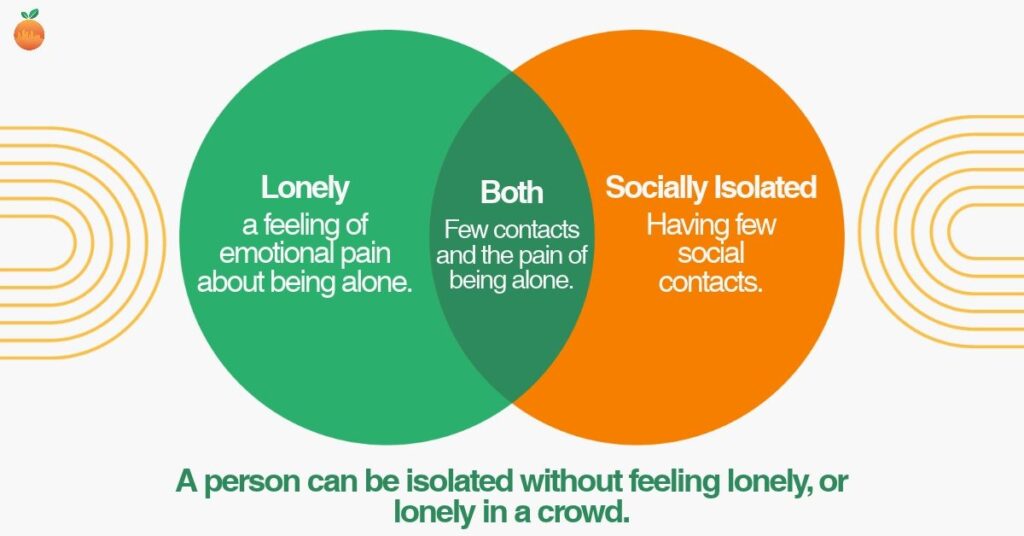
The National Institute on Aging defines loneliness as a feeling of emotional pain about being alone or separated from other people.¹ Social isolation results from not having many social contacts or people to interact with, and it can lead to feeling very lonely.¹
Related Study/Source: The National Institute on Aging reports that one in four adults aged 65 and older are socially isolated. Social isolation and loneliness are linked to heart disease, high blood pressure, anxiety, depression, and cognitive decline.¹
Why Are Older Adults at Higher Risk?
Later life often means fewer daily connections. Friends move away or pass on. Work ends. Driving becomes harder. Health problems keep people home.
The NIA lists these risk factors for older adults:¹
- Living alone
- Limited mobility or no reliable way to get around
- Financial struggles
- Language barriers
- Caregiving duties
The CDC adds chronic disease, long-term disability, and depressive conditions to the list. It also names divorce and the loss of a loved one.² Many seniors face several of these at once.
Florida adds its own twist. Seasonal neighbors leave in spring, and family may live far away. A parent who enjoyed a busy winter can feel very alone by summer.
What Are the Signs of Loneliness in Seniors?
Few seniors say, “I am lonely.” Pride and worry about being a burden keep them quiet. Instead, look for changes in behavior.
- Withdrawing from friends, clubs, or faith groups
- Sleeping more, or having trouble sleeping
- Eating less or skipping meals
- Neglecting grooming or the home
- Calling often just to talk, or keeping you on the phone
- Losing interest in favorite hobbies
- Seeming sad, irritable, or hopeless
Any one sign may have another cause. But a pattern is worth a gentle conversation. Our post on irrational elderly parents explains how stress and unmet needs can change behavior.
How Does Loneliness Affect Health?
Loneliness harms health by raising the risk of heart disease, stroke, dementia, depression, and anxiety. Isolation can also lead to poor sleep at night, skipped meals, and missed medicines, and fewer outings. Over time, these small effects add up quickly. That is why loneliness in older adults deserves the same careful attention as any other health concern.
The CDC lists heart disease and stroke, dementia, type 2 diabetes, depression and anxiety, and earlier death among the health risks of social isolation and loneliness.² It also notes suicidality and self-harm as risks.²
These risks are not inevitable. Connection is a form of care. Even small, regular contact can protect mood, memory, and daily routines.
Hearing and vision loss can deepen isolation. A parent who cannot follow a conversation may stop joining in. Our post on hearing loss and dementia explains why hearing checks matter.
When Is Loneliness Serious?
Sadness that lingers deserves a doctor’s attention. Look for hopelessness, loss of interest in everything, big changes in sleep or appetite, or talk of being a burden.
The National Institute of Mental Health notes that grief, social isolation, and loneliness can, when they persist, lead to conditions such as anxiety.³ It also says effective treatment is available, and that recognizing the signs and seeing a provider are the first steps.³
If your parent talks about wanting to die or hurting themselves, call or text 988 for the Suicide and Crisis Lifeline. Call 911 in a life-threatening emergency.³ Take any such comment seriously. Stay with your parent until help arrives.
How Can You Help an Elderly Parent Who Feels Lonely?
You can help a lonely parent by setting up regular contact, such as daily calls or weekly visits. Encourage activities they enjoy, arrange rides, and invite friends over. Listen without trying to fix every feeling. If sadness lingers or hope fades, speak with the doctor, since treatment is available and can improve both mood and daily life.
Start with listening. Ask open questions: “What did you enjoy this week?” or “Who would you like to see?” Avoid, “You should get out more.” That can sound like criticism.
The NIA offers these tips for staying connected:¹
- Check in regularly with family and friends by phone, email, or video chat
- Meet other people with shared interests
- Try a new activity or revisit an old hobby
- Get involved in the community
Make each tip easy. Set up the tablet. Print a list of phone numbers in large type. Offer to drive, or arrange a ride. Remove small barriers, and the habits can follow.
How Does Grief Affect Loneliness in Elderly Adults?
Grief is a common trigger for loneliness in later life. Losing a spouse, sibling, or close friend leaves a gap that is hard to fill. Sadness is natural, but it should ease with time and support. If it deepens or lasts for months, talk with a doctor. Counseling, grief groups, and steady company can all help.
Anniversaries and holidays can be especially hard. Plan ahead for those dates, and keep your plans simple. Invite your parent to a family meal, or arrange a quiet visit. Share stories about the person who is gone. Remembering together can bring comfort.
Do not rush the process. There is no schedule for grief. Offer patience, and keep showing up.
How Is Loneliness Different From Depression?
They overlap, but they are not the same. Loneliness is a feeling about missing connection. Depression is a medical condition that affects mood, energy, sleep, and interest in life. Company often brightens a lonely person. Someone with depression may not.
Because the two can feed each other, a doctor’s visit is wise. The NIMH lists changes in mood, energy, and appetite, and trouble sleeping, among signs to watch for in older adults.³ Treatment can improve both mood and daily life.
What Everyday Activities Build Connection?
Think routine, not events. A weekly rhythm beats a one-time outing.
- A standing call at the same time each day
- A weekly meal with family or friends
- A faith group, library program, or senior center class
- A walking partner at the park or a mall
- A garden, craft, or card game that fills the hands
- Volunteering, such as reading to children or packing food boxes
Hobbies give people a reason to talk. A parent who loved cooking might teach a grandchild a family recipe. Or a retired teacher might tutor a neighbor’s child. Purpose is powerful medicine.
Pets can help, too. A friendly animal gives daily routine and company. Make sure your parent can safely care for the pet before bringing one home.
What Makes a Visit Meaningful?
Length matters less than presence. Put phones away. Sit down at eye level. Ask about the past, because many seniors love to share stories. Photo albums, music, and old recipes open doors.
Bring something to do together. Fold laundry, water plants, or sort a drawer of photos. Shared tasks make conversation feel natural, and they leave your parent feeling useful.
Say goodbye with a plan. “I’ll call Thursday at four” is better than “I’ll call soon.” Something to look forward to eases the quiet after you leave.
How Can Technology Help Seniors Stay Connected?
Video calls make distance smaller. A tablet with large icons can show a grandchild’s face every day. Simple devices are best. Fewer buttons mean fewer frustrations.
Teach patiently. Practice together a few times. Write the steps on a card. Set up family group chats for photos and quick updates.
Technology should add to human contact, not replace it. Seniors still need hugs, shared meals, and someone who sits beside them.
How Can You Support Your Parent From a Distance?
Many families live in different states. You can still stay close. Schedule calls on a set rhythm so your parent has something to look forward to. Ask neighbors or friends to check in. Mail cards and photos.
Plan visits with care. Use that time to look at the home, the pantry, and the mail. A stack of unopened mail or an empty fridge can tell you a lot.
Consider a caregiver who can provide regular company, rides, and help with errands. Our post on caregiver burnout reminds family members to look after themselves, too.
When Is Home Care a Good Fit for Loneliness?
Regular help at home can ease isolation. A caregiver brings routine, conversation, and a reason to get dressed and eat well. Rides to appointments and outings widen a parent’s world.
For seniors who want to stay in their own homes, extra support can make that possible. Our guide to assisted living or home care compares the options honestly.
How City Choice Home Health Care of Florida Supports Seniors Who Feel Alone
For more than two decades, City Choice Home Health Care of Florida has supported families in Boynton Beach, Delray Beach, and Boca Raton. As a Medicare-certified agency, we have cared for more than 1,000 families.
Our team provides skilled nursing and therapy services at home, including physical, occupational, and speech therapy. Caregivers can help with bathing, dressing, meals, medication reminders, and rides to appointments. We also offer overnight or 24-hour care when needed.
A friendly face, steady routine, and help with meals and errands can make home feel more connected. Call us to talk through your options, and we will explain how home health care can fit your family’s needs.
Frequently Asked Questions
What Is the Difference Between Loneliness and Social Isolation?
Loneliness is a feeling of emotional pain about being alone.¹ Social isolation means having few social contacts.¹ A person can be isolated without feeling lonely, or lonely in a crowd.
Can Loneliness Cause Health Problems?
Yes. The NIA links social isolation and loneliness to heart disease, high blood pressure, anxiety, depression, and cognitive decline.¹ Stroke and dementia appear on the CDC list too.²
How Common Is Social Isolation Among Seniors?
The NIA reports that one in four adults aged 65 and older are socially isolated.¹ Many more feel lonely at times.
What Should I Do If My Parent Seems Hopeless?
Talk with the doctor right away. Call or text 988 if your parent talks about self-harm, and call 911 in a life-threatening emergency.³
Bring Connection Home
Loneliness in elderly adults is common, but it is not a normal part of aging. Watch for quiet changes, ask kind questions, and build small habits of contact. When sadness lingers, call the doctor. A little connection each day can make a big difference.
Related Articles
Hearing Loss and Dementia: What Delray Beach Families Should Know
Dementia Care for Boca Raton Families
Caregiver Burnout: Signs, Symptoms, and How to Prevent It
How to Deal With Irrational Elderly Parents: A Guide for Delray Beach Families
Assisted Living or Home Care? An Honest Guide for Florida Families
Sources
1. National Institute on Aging. Stay connected: tips for combating social isolation and loneliness. MedlinePlus Magazine. Accessed October 14, 2026. https://magazine.medlineplus.gov/article/stay-connected-tips-from-the-national-institute-on-aging-for-combating-social-isolation-and-loneliness
2. Centers for Disease Control and Prevention. Health effects of social isolation and loneliness. Accessed October 14, 2026. https://www.cdc.gov/social-connectedness/risk-factors/index.html
3. National Institute of Mental Health. Older adults and mental health. Accessed October 14, 2026. https://www.nimh.nih.gov/health/topics/older-adults-and-mental-health