 Senior Health Wellness
Fatigue in elderly adults is more than normal tiredness. It is a lasting lack of energy that rest does not fix. Common causes include medical conditions, medicines, poor sleep, low mood, and inactivity. See a doctor if your parent has felt tired for several weeks without relief.
It is easy to shrug off. “She is just getting older,” families say. But constant tiredness is not a required part of aging. Often a treatable cause sits underneath. This guide explains the common causes, warning signs, and everyday habits that help. It is written for families in Boynton Beach, Delray Beach, and Boca Raton.
What Is Fatigue in Elderly Adults?
Fatigue in elderly adults is a lasting lack of energy or weariness that does not improve with rest. Normal tiredness follows exertion, stress, or poor sleep and passes. Fatigue lingers, and it can signal a medical condition, medication side effect, sleep problem, or emotional struggle, so tiredness lasting several weeks should be checked by a doctor.
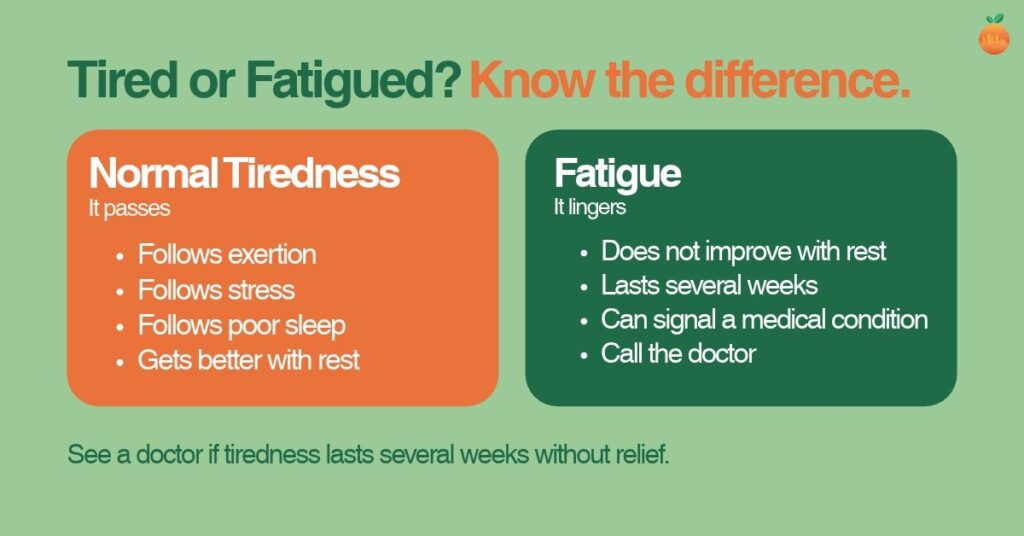
The National Institute on Aging says everyone feels tired now and then. Exertion, stress, boredom, and lack of sleep are common reasons. But fatigue can also point to a more serious condition.¹
Related Study/Source: The National Institute on Aging advises older adults to call a health care provider if they have felt tired or low on energy for several weeks without relief. The provider may check sleep, activities, appetite, and exercise, and may order a physical exam and lab tests.¹
What Causes Fatigue in Older Adults?
Fatigue rarely has one cause. Several small ones often stack up. The NIA groups them into a few categories.¹
Medical Conditions
Infections can drain energy fast. So can long-term conditions such as diabetes, heart disease, kidney disease, liver disease, thyroid disease, and chronic lung disease. Anemia, sleep apnea, a recent stroke, Parkinson’s disease, and untreated pain also appear on the list.¹ Our post on UTI in elderly adults explains how infections can show up as tiredness or confusion.
Medications
Some medicines cause drowsiness. The NIA lists antidepressants, antihistamines, and some nausea and pain medicines.¹ Ask the doctor or pharmacist to review every prescription and over-the-counter product. Our guide on medication management for seniors offers an easy way to keep the list organized.
Emotional Factors
Worry about health or future care, grief, loss of independence, depression, and anxiety all drain energy.¹ Emotional strain is real strain. It deserves the same attention as a physical symptom.
Lifestyle Habits
Late bedtimes, too much caffeine or alcohol, too little or too much exercise, and boredom after retirement can all play a part.¹ These are the easiest causes to change. Even small shifts can bring energy back.
When Should You See a Doctor About Fatigue?
See a doctor if an older adult has felt tired or low on energy for several weeks without relief. The doctor may review sleep, activity, appetite, and medicines, and order a physical exam and lab tests. Seek help sooner if fatigue comes with chest pain, trouble breathing, confusion, fainting, or sudden weakness on one side.
Energy changes with age. That part is normal. Moving slower after a long day is expected. Heavy tiredness that lasts for weeks is not. Trust your instincts here. You know your parent best.
Track the pattern for a week. Mark the hours when energy dips. Add meals, naps, and medicines. Short notes like these help a doctor find the cause faster, and they show whether a new routine is working. Small details matter.
Fatigue is not laziness. Many families assume a parent who sits more and does less has simply lost motivation. In reality, a lasting lack of energy often has a treatable cause. Pushing harder rarely helps, while a doctor’s visit often does.
Tiredness paired with shortness of breath, swelling in the legs, or a fast heartbeat deserves a prompt call to the doctor. Those signs can point to heart or lung trouble rather than ordinary weariness.
Bring notes to the visit. Write down when the tiredness began, how it changes through the day, and what makes it better or worse. List every medicine, vitamin, and supplement. Mention changes in appetite, mood, sleep, and weight.
Call 911 for chest pain, severe trouble breathing, fainting, or signs of a stroke. Do not wait to see if it passes.
How Much Sleep Do Seniors Need?
Adults 65 and older need about 7 to 8 hours of sleep a night, according to the CDC. Signs of poor sleep include trouble falling asleep, waking repeatedly, and feeling tired even after enough sleep. A steady schedule, a calm, cool, and quiet bedroom, less caffeine, and limited screens before bed all help your parent rest.
The CDC also lists tips that fit most seniors:²
- Go to bed and wake up at the same times each day
- Keep the bedroom calm, cool, and quiet
- Put away phones and screens at least half an hour before bed
- Avoid heavy meals and alcohol close to bedtime
- Skip caffeine after the morning
- Stay physically active and eat well
Naps need balance. The NIA advises avoiding long naps late in the day, and keeping naps under 30 minutes.¹ A short midday rest can refresh. But a long evening nap can ruin the night.
If your parent seems restless or more confused in the evening, our post on sundowning explains why and what to do.
Can Exercise Really Help With Low Energy?
A simple daily rhythm can protect energy. Keep it gentle and predictable:
- Wake and eat breakfast at about the same time each day
- Take a short walk or do light stretches in the morning
- Plan the hardest task, such as bathing, for the time of day with the most energy
- Rest briefly after lunch, under 30 minutes
- Keep evenings calm, with dim lights and no screens close to bedtime
It sounds backward, but movement builds energy. The NIA lists regular exercise as a top tip, and notes that tai chi and yoga may help with balance and breathing.¹ Meanwhile, the CDC recommends that adults 65 and older get 150 minutes of moderate activity a week, plus muscle-strengthening on at least two days and balance activities.³
That may sound like a lot. Break it down. Five 30-minute walks fit the goal. Or try three 10-minute walks a day. The CDC adds that if full recommendations are hard to meet, be as active as your abilities and conditions allow, since some activity beats none.³
South Florida heat changes the plan. Walk early in the morning, or use an air-conditioned mall or indoor space. Keep water close. Our dehydration guide explains how to stay safe outdoors.
Ask the doctor before starting a new routine, especially after a hospital stay. A physical therapist can build a safe plan. For a parent who struggles with everyday tasks, our guide to in-home occupational therapy explains another way to rebuild strength and confidence.
Can Depression or Anxiety Cause Fatigue in Seniors?
Yes, depression and anxiety can cause fatigue in seniors. Emotional strain drains energy, disrupts sleep, and lowers interest in daily activities. Grief, loneliness, and worry about health or independence often play a role. Tell the doctor about any mood changes right away, since effective treatment is available and can improve both mood and energy for many older adults.
The National Institute of Mental Health lists changes in mood, energy level, or appetite, and trouble sleeping, among symptoms to watch for in older adults.⁴ It notes that effective treatment options are available, and that a primary care provider is a good place to start.⁴
If your parent talks about wanting to die or feels hopeless, call or text 988 for the Suicide and Crisis Lifeline. Call 911 in a life-threatening emergency.⁴ Take any such comment seriously.
How Can a Fatigue Diary Help?
The NIA suggests keeping a fatigue diary to spot patterns in energy.¹ It takes two minutes a day. Over a few weeks, clues appear. You might see that energy crashes after a certain medicine, a poor night, or a lonely afternoon. Track these points:
- Hours slept and how rested your parent felt in the morning
- Energy level at morning, midday, and evening on a scale of 1 to 5
- Meals, fluids, and caffeine
- Activity, naps, and visitors
- Medicines taken and any new symptoms
Share the diary with the doctor. A clear record often speeds up the answer.
What Everyday Habits Support Energy?
Small habits add up. The NIA suggests eating nutritious foods, cutting back on alcohol and smoking, and staying socially and productively engaged, such as through volunteering.¹ It also advises asking for help with heavy workloads and trying stress-reducing practices like deep breathing or stretching.¹
In practice, that means a few anchors. Serve regular meals with protein and plenty of fluids. Plan something to look forward to each day, such as a call with a friend or a short outing. Break big chores into small steps. And let others carry the heavy lifting.
If fatigue seems to be tied to caregiving stress on your side, you are not alone. Our post on caregiver burnout explains the signs and how to recover.
How City Choice Home Health Care of Florida Supports Energy and Daily Routines
For more than two decades, City Choice Home Health Care of Florida has supported families in Boynton Beach, Delray Beach, and Boca Raton. As a Medicare-certified agency, we have cared for more than 1,000 families.
Our team provides skilled nursing and therapy services at home, including physical, occupational, and speech therapy. Caregivers can help with bathing, dressing, meals, medication reminders, and rides to appointments. We also offer overnight or 24-hour care when needed.
Help with daily tasks can save your parent’s energy for the things they enjoy. Call us to talk through your options, and we will explain how home health care can fit your family’s needs.
Frequently Asked Questions
Is It Normal for Seniors to Feel Tired All the Time?
No. Everyone feels tired now and then, but ongoing tiredness deserves attention.¹ If it lasts several weeks without relief, call the doctor. Many causes are treatable.
How Long Is Too Long to Feel Tired?
The NIA says to call the provider after several weeks of tiredness without relief.¹ Fatigue that lasts six months or longer may point to chronic fatigue syndrome, which needs a doctor’s evaluation.¹
Can Medicines Cause Fatigue in the Elderly?
Yes. Antidepressants, antihistamines, and some nausea and pain medicines are on the NIA list.¹ Do not stop a prescription on your own. Ask the doctor whether a change in dose or timing could help.
Do Naps Help or Hurt?
Short naps can help. The NIA advises keeping naps under 30 minutes and avoiding long ones late in the day.¹ Late naps can steal sleep at night.
Listen to the Tiredness
Fatigue in elderly adults is a message, not a nuisance. Pay attention to how long it lasts, what else changes, and what helps. Then bring those clues to the doctor. With the right plan, many seniors feel more like themselves within weeks.
Related Articles
Medication Management for Seniors: A Practical Guide for Delray Beach Families
Dehydration in Elderly Adults: A Florida Heat Guide for Boynton Beach Families
UTI in Elderly Adults: Why Confusion Is Often the First Sign
Sundowning: Why Evenings Get Harder for Loved Ones With Dementia in Boca Raton
Parkinson’s Home Care Support in Delray Beach
Sources
1. National Institute on Aging. Fatigue in older adults. Accessed October 14, 2026. https://www.nia.nih.gov/health/fatigue/fatigue-older-adults
2. Centers for Disease Control and Prevention. About sleep. Accessed October 14, 2026. https://www.cdc.gov/sleep/about/index.html
3. Centers for Disease Control and Prevention. Physical activity guidelines for older adults. Accessed October 14, 2026. https://www.cdc.gov/physical-activity-basics/guidelines/older-adults.html
4. National Institute of Mental Health. Older adults and mental health. Accessed October 14, 2026. https://www.nimh.nih.gov/health/topics/older-adults-and-mental-health