 Senior Health Wellness
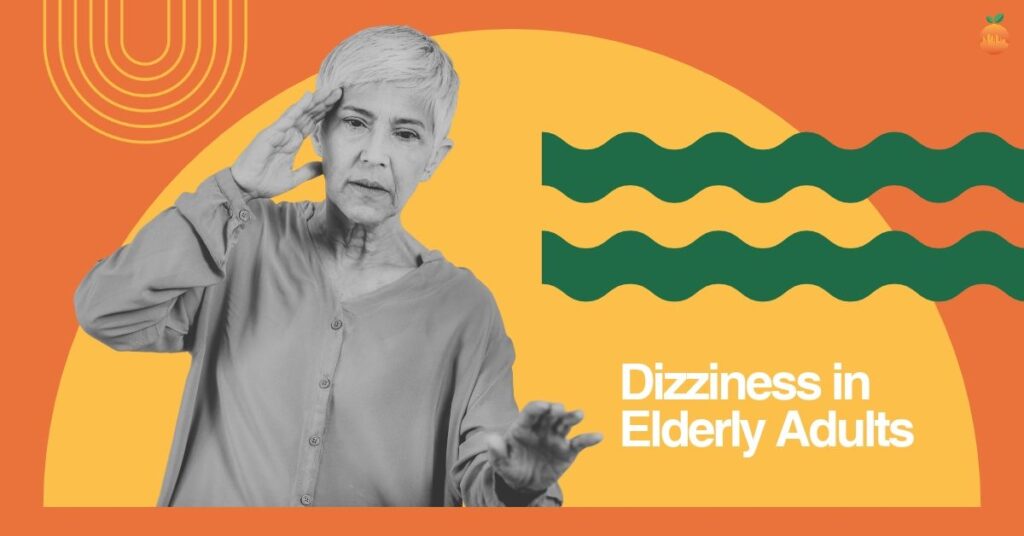
Your father stands up from his chair and grabs the wall. The room spins for a moment. “I’m fine,” he says. But you are not so sure. Dizziness in elderly adults is common, and it is one of the biggest reasons older people fall.
This guide explains what causes dizziness, which signs need urgent care, and what you can do at home. You will also find simple habits that make standing and walking safer.
What Causes Dizziness in Elderly Adults?
Dizziness in elderly adults is most often caused by medicines, low blood pressure when standing, dehydration, inner ear problems, or heart and nerve conditions. Many cases have more than one cause. Because dizziness raises the risk of falls, a doctor should check any new, frequent, or worsening episodes rather than simply waiting for them to pass.
The National Institute on Deafness and Other Communication Disorders says risk of balance problems increases with age.¹ Causes can include medications, ear infection, head injury, low blood pressure, arthritis, and eye muscle imbalance.¹ Some problems begin suddenly with no clear reason.¹
Related Study/Source: According to the National Institute on Deafness and Other Communication Disorders, symptoms of a balance disorder include dizziness or vertigo, feeling about to fall, staggering, lightheadedness, blurred vision, and confusion. Symptoms may come and go or last a long time, and can lead to fatigue and depression.¹
What Does Dizziness Feel Like?
Not everyone uses the same word. Your parent might say “dizzy,” “woozy,” or “off.” The feeling matters because it points to different causes.
- Spinning, as if the room is moving (vertigo)
- Lightheadedness or feeling faint
- Unsteadiness or staggering while walking
- A floating or rocking sensation
- Blurred vision or trouble focusing
Ask your parent to describe it. Note when it happens, how long it lasts, and what makes it better or worse. That information helps the doctor.
Why Does Dizziness Happen When Standing Up?
Dizziness on standing is often caused by orthostatic hypotension, a sharp drop in blood pressure when a person rises from sitting or lying down. Blood pools in the legs, and the brain briefly receives less. Dehydration, certain medicines, and heart or nerve conditions raise the risk. Standing slowly and drinking enough fluids often help ease the problem.
The Cleveland Clinic explains that orthostatic hypotension means a drop of more than 20 mmHg in the top blood pressure number, or more than 10 in the bottom number, within three minutes of standing.² It becomes more common with age. After 65, the body manages blood pressure less well, and arteries stiffen.²
Typical symptoms are lightheadedness, blurred vision, weakness, and sometimes fainting. They usually ease when the person sits or lies down.² Heat can make them worse, including hot showers and baths.²
Dehydration is a frequent trigger. Vomiting, diarrhea, and water pills lower blood volume.² In Florida’s heat, fluid loss happens faster. Our post on dehydration in elderly adults explains how to spot it early.
Can Medicines Cause Dizziness in Older Adults?
Yes. This is one of the most common and most fixable causes. The Cleveland Clinic lists medicines for high blood pressure, heart disease, Parkinson’s disease, depression, and cancer among those that can trigger orthostatic hypotension.²
Water pills, sleep aids, pain relievers, and allergy medicines can contribute as well. The NIDCD says the doctor should first check whether another condition or a medication is the cause.¹
Do not stop a prescription on your own. Instead, bring every bottle to the doctor or pharmacist. Ask whether any medicine could cause dizziness and whether the dose or timing could change. Our guide to medication management for seniors helps you keep a clear, current list.
What Inner Ear Problems Cause Dizziness?
The inner ear helps control balance. When something goes wrong there, the room may seem to spin. The NIDCD describes three common types:¹
- BPPV (benign paroxysmal positional vertigo): brief, intense spinning triggered by head movements, such as bending down or rolling over in bed
- Labyrinthitis: inner ear infection or inflammation, often after a respiratory infection such as the flu
- Ménière’s disease: episodes of vertigo with hearing loss, ringing in the ears, and a feeling of fullness
BPPV can follow a head injury or develop with aging.¹ The good news is that it often responds to repositioning moves, such as the Epley maneuver, performed by a trained provider.¹ Vestibular rehabilitation therapy can help people who cannot fully relieve their dizziness.¹
Hearing and balance share the same inner ear structures. Our post on hearing loss and dementia covers why hearing changes deserve attention.
When Is Dizziness an Emergency?
Call 911 if dizziness comes with sudden numbness or weakness on one side, facial drooping, trouble speaking, vision loss, severe headache, chest pain, or fainting. These can signal a stroke or heart problem. Also seek urgent care after any fall with a head injury. Do not drive your parent yourself; wait for the ambulance.
The CDC lists sudden trouble walking, dizziness, loss of balance, or poor coordination among stroke signs.³ Other signs include sudden vision trouble, sudden numbness or weakness in the face, arm, or leg, and sudden confusion or speech trouble.³ Note the time the symptoms began, since it guides treatment.³
The Cleveland Clinic also advises immediate care for chest pain, falls or fainting, suspected broken bones or head injury, black or bloody stools, and signs of shock.²
If symptoms vanish after a few minutes, still call. A brief episode can be a warning stroke, called a TIA.³ Telling the health care team right away matters.
When Should You Call the Doctor About Dizziness?
Make an appointment if your parent feels unsteady, feels the room spin even briefly, or feels about to fall. Also call for lightheadedness, blurred vision, confusion, or frequent dizziness on standing. Early care can prevent a serious fall. Bring a list of medicines and notes on when episodes happen, how long they last, and what triggers them.
Make an appointment if your parent feels unsteady, notices the room spinning even briefly, or feels about to fall.¹ The same goes for lightheadedness, blurred vision, or disorientation.¹
Call even if the dizziness happens only sometimes.² Frequent episodes when standing deserve a check.² Early care can prevent a serious fall.
Bring notes. Write down:
- When the dizziness started and how often it happens
- What it feels like and how long each episode lasts
- What your parent was doing at the time
- All medicines, vitamins, and supplements
- Any falls, near-falls, or changes in hearing or vision
How Can Seniors Stand and Walk More Safely?
Small habits make a big difference. The Cleveland Clinic suggests these steps for orthostatic hypotension:²
- Take extra time moving from lying or sitting to standing
- Hold something sturdy while standing up
- March the feet or squeeze a ball or towel before standing
- Stay hydrated and eat light meals
- Avoid very hot baths and showers
- Limit alcohol
- Raise the head of the bed with extra pillows at night
Some people also benefit from compression stockings.² Ask the doctor before trying them.
A simple routine works well in the morning. Sit up in bed for a minute. Next, dangle the legs. Finally, stand with a hand on the bed or walker. Wait a few seconds before walking.
Can Exercise Help With Balance and Dizziness?
Yes, in many cases. Strong legs and good balance reduce the risk of falls. The CDC recommends that adults 65 and older do balance activities, along with muscle strengthening on at least two days a week.⁵
Simple moves work well. Try standing on one foot while holding a counter. Practice sitting down and standing up from a sturdy chair. Take short walks on level ground. Tai chi is a gentle option many seniors enjoy.
Ask the doctor before starting a new routine, especially if dizziness is frequent. A physical therapist can design a safe plan. Physical therapy at home is helpful for seniors who feel unsteady outside.
Can Vision, Blood Sugar, or Anemia Cause Dizziness?
They can. Blurred vision makes the world feel unsteady, so regular eye exams matter. Low blood sugar can cause shakiness and lightheadedness, especially in seniors with diabetes. Anemia reduces oxygen delivery and may cause weakness and dizziness.
The Cleveland Clinic lists low blood volume from blood loss or anemia, diabetes, thyroid disease, and low vitamin B12 among causes of orthostatic hypotension.² Blood tests can help find these problems. That is another reason to see the doctor rather than guess.
How Can You Make the Home Safer?
Dizziness and falls go hand in hand. The CDC reports that falls caused over 43,000 deaths among adults 65 and older in 2024, and led to about 4.5 million emergency department visits.⁴ Yet the CDC says falls can be prevented.⁴
The NIDCD recommends using handrails on stairs, taking care in the bathroom, and avoiding walking in the dark.¹ It also suggests low-heeled or walking shoes outdoors, and a cane or walker if needed.¹
- Add night lights from the bedroom to the bathroom
- Install grab bars in the shower and near the toilet
- Use a shower chair and a non-slip mat
- Remove loose rugs and clutter
- Keep frequently used items within easy reach
Our home safety checklist walks through each room step by step. Also ask the doctor whether it is safe for your parent to keep driving.¹
What About Dizziness and Caregiver Support?
Dizzy spells can make daily tasks risky. Bathing, dressing, and climbing stairs may need a helping hand. A parent may hide the problem to stay independent.
Watch for quiet signs. Does your parent hold furniture while walking? Do they avoid stairs or skip showers? Are they sitting more? These clues suggest it is time to talk with the doctor and think about extra support.
How City Choice Home Health Care of Florida Supports Seniors With Balance Concerns
For more than two decades, City Choice Home Health Care of Florida has supported families in Delray Beach, Boynton Beach, and Boca Raton. As a Medicare-certified agency, we have cared for more than 1,000 families.
Our team provides skilled nursing and therapy services at home, including physical, occupational, and speech therapy. Caregivers can help with bathing, dressing, meals, medication reminders, and rides to appointments. We also offer overnight or 24-hour care when needed.
Standby help with bathing, dressing, and walking can lower the risk of a fall at home. Call us to talk through your options, and we will explain how home health care can fit your family’s needs.
Frequently Asked Questions
Is Dizziness Normal in Older Adults?
It is common, but it should not be ignored. The risk of balance problems rises with age.¹ A doctor can look for causes that are treatable.
Why Do Seniors Get Dizzy When They Stand?
A sudden drop in blood pressure is the usual cause.² Dehydration and certain medicines often play a role.² Standing up slowly can help.
Can Dehydration Cause Dizziness?
Yes. Dehydration lowers blood volume, which can make blood pressure drop when standing.² Encourage regular drinks through the day.
Does Dizziness Mean a Stroke?
Not always. But sudden dizziness with weakness, speech trouble, or vision changes can signal a stroke.³ Call 911 right away if you see these signs.
Steady Steps Forward
Dizziness in elderly adults has many causes, and many are treatable. Learn the warning signs, review medicines, and slow down transitions. Make the home safer, and call the doctor early. With a few changes, your parent can move with more confidence.
Related Articles
Dehydration in Elderly Adults: A Florida Heat Guide for Boynton Beach Families
Medication Management for Seniors: A Practical Guide for Delray Beach Families
Home Safety Checklist for Aging in Place
Hearing Loss and Dementia: What Delray Beach Families Should Know
Parkinson’s Home Care Support in Delray Beach
Sources
1. National Institute on Deafness and Other Communication Disorders. Balance disorders. Accessed October 14, 2026. https://www.nidcd.nih.gov/health/balance-disorders
2. Cleveland Clinic. Orthostatic hypotension. Accessed October 14, 2026. https://my.clevelandclinic.org/health/diseases/9385-orthostatic-hypotension
3. Centers for Disease Control and Prevention. Stroke signs and symptoms. Accessed October 14, 2026. https://www.cdc.gov/stroke/signs-symptoms/index.html
4. Centers for Disease Control and Prevention. About older adult falls. Accessed October 14, 2026. https://www.cdc.gov/falls/about/index.html
5. Centers for Disease Control and Prevention. Physical activity guidelines for older adults. Accessed October 14, 2026. https://www.cdc.gov/physical-activity-basics/guidelines/older-adults.html