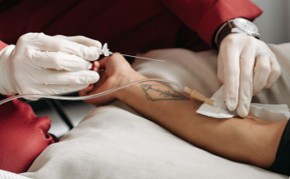
 IV Therapy
For patients who need regular infusion treatment, the routine can become exhausting quickly. The early morning drives to an infusion center. The hours spent in a clinical waiting room. The fatigue of managing a complex condition while also managing a schedule built around hospital appointments. For many Boca Raton patients and their families, options like IV Therapy in Boca Raton are offering new hope when it starts to feel like the treatment itself is getting in the way of living.
There is an alternative — and more local families are turning to it. In-home IV therapy brings hospital-grade infusion treatment directly to the patient, administered by a skilled infusion nurse in the comfort of home. For those who qualify, it delivers the same clinical standard of care without the disruption that comes with repeated facility visits.
This guide covers what in-home IV therapy is, who it’s for, what to expect from the process, and how families in Boca Raton can get started.
What Is In-Home IV Therapy?
In-home IV therapy — also called home infusion therapy — is the administration of medications, fluids, or nutrients directly into the bloodstream through an intravenous line, delivered at the patient’s residence rather than a hospital or infusion center.
It is not a simplified or downgraded version of clinical infusion care. The same medications, the same sterility protocols, and the same level of nursing oversight apply. The difference is location — and for patients managing a serious or chronic condition, that difference matters enormously.
One reason IV therapy is clinically significant — especially for patients with GI disorders, chronic illness, or post-surgical complications — is bioavailability. A 2025 Cureus review found that IV nutrients have virtually 100% bioavailability — they bypass digestion entirely. Oral supplements don’t get that guarantee. GI disorders, liver metabolism, enzyme deficiencies, and gut imbalances can all block absorption. For patients whose conditions already compromise nutrient absorption, IV delivery isn’t just more convenient — it’s more effective.
Common treatments delivered through home infusion include:
- IV antibiotics — for serious infections such as cellulitis, osteomyelitis, or post-surgical infections that require long courses of intravenous medication
- IV hydration — for patients experiencing dehydration related to illness, cancer treatment, or chronic conditions
- Chemotherapy support — hydration and anti-nausea medications to complement ongoing cancer treatment
- Pain management — IV medications for patients managing chronic or acute pain
- Nutritional support — parenteral nutrition for patients who cannot absorb adequate nutrition orally
- Specialty infusions — including immunoglobulin therapy (IVIG), biologic medications, and enzyme replacement therapies
Who Is Home IV Therapy For?
Patients with ongoing or extended IV treatment needs — and whose condition is stable enough to manage outside a hospital — are good candidates for home infusion. Doctors commonly recommend it for:
- Patients discharged from Boca Raton Regional Hospital or West Boca Medical Center who need to continue IV antibiotics at home
- Seniors and homebound patients for whom repeated travel to an infusion center is physically difficult or medically inadvisable
- Patients managing chronic conditions — such as autoimmune disorders, Crohn’s disease, or multiple sclerosis — that require regular infusion of specialty medications
- Cancer patients who need hydration or supportive IV care between treatment sessions
- Post-surgical patients managing complex wound infections or complications that require intravenous medication
The Cureus review specifically highlights patients with IBD, celiac disease, gastroparesis, and bariatric surgery history as populations at high risk for nutrient deficiencies through oral supplementation alone — making IV therapy a clinically appropriate and often necessary solution for ongoing nutritional and medication management.
If your physician has prescribed IV treatment and you are currently receiving it at a facility, it is worth asking whether home infusion is a clinically appropriate option for your specific situation.
What Does the Process Look Like?
For families unfamiliar with home infusion, the process is more straightforward than it might sound.
Step 1: Physician order and eligibility
Home IV therapy requires a physician’s order. Your doctor or specialist will determine whether your diagnosis and clinical status make you a candidate for home infusion. If approved, they will coordinate with a home health agency to initiate services.
Step 2: Intake and care planning
A registered nurse will conduct an initial assessment — reviewing your medical history, current medications, IV access, and home environment — to develop a personalized infusion care plan. At City Choice, this assessment is conducted by a skilled nurse before the first infusion visit.
Step 3: Infusion visits
Your licensed infusion nurse visits on a schedule set by your care plan — daily or several times a week. They prepare and give the infusion, monitor you throughout, manage your IV line or port, and document the visit for your physician.
Step 4: Ongoing monitoring and coordination
Your infusion nurse stays in close contact with your care team. Your nurse reports any changes in your condition, signs of complications, or concerns about your IV access directly to your physician. At City Choice, our 24/7 nursing line means there is always a clinical resource available between scheduled visits.
It’s worth emphasizing why licensed, agency-administered home infusion matters. The same Cureus review notes that improper IV administration — including incorrect insertion technique, lack of medical oversight, or dosing errors — can lead to serious complications such as thrombophlebitis, air embolisms, bloodstream infections, and in rare cases, anaphylaxis. Home infusion is safe when performed correctly by trained professionals under rigorous sterility protocols. That standard is exactly what a licensed home health agency is built to maintain.
Home IV Therapy vs. Infusion Center: What Is the Difference?
Many patients assume that switching from an infusion center to home-based care means settling for a lesser standard. That assumption is worth addressing directly.
The clinical standard does not change when infusion moves to the home. The medications are the same, compounded by licensed pharmacies and delivered under the same regulatory requirements. The nursing oversight is the same — provided by licensed infusion nurses trained specifically in IV therapy, vascular access management, and complication monitoring. The documentation is the same — every visit is charted and communicated to your physician.
What changes is the environment — and for most patients, that change works in their favor.
Infusion centers are designed for volume. They serve multiple patients simultaneously, often in shared spaces, with visits scheduled back to back. There is little room for flexibility. The experience — fluorescent lighting, clinical noise, waiting — is inherently institutional.
Home infusion is designed for the individual. Your nurse comes to you, at the scheduled time, with your medications prepared specifically for your care plan. The treatment happens in your own chair, at your own pace, in your own home. For patients already managing a difficult diagnosis, that environment matters more than it might seem.
There are situations where an infusion center or hospital-based infusion is the more appropriate setting — for patients whose condition is not stable, who require on-site physician oversight during the infusion, or who need emergency-level monitoring. But for patients with stable, ongoing infusion needs, home-based care is not a downgrade. For most, it is a significant improvement.
Understanding IV Access: What You Need to Know Before Starting
One practical question families often have before starting home infusion is about IV access — how the medication gets into the bloodstream, and what that means day to day.
Several types of vascular access are used in home infusion. The right one depends on the type and duration of treatment.
Peripheral IV line. A standard IV catheter inserted into a vein in the arm or hand. This works for short-term treatments — typically less than two weeks — and requires periodic reinsertion. It is the most common access type for short courses of IV antibiotics.
PICC line (Peripherally Inserted Central Catheter). A thin, flexible tube inserted into a vein in the upper arm and threaded to a larger vein near the heart. PICC lines work for longer-term treatments — weeks or months — and allow repeated infusions without repeated needle insertions. They are the most common access type for extended home infusion therapy.
Port (Implanted Port or Port-a-Cath). A small device implanted under the skin, typically in the chest, connected to a catheter leading to a central vein. Ports are most common for patients receiving long-term chemotherapy or specialty infusions. They can remain in place for years.
Midline catheter. Similar to a peripheral IV but longer, inserted into a vein in the upper arm and advanced partway toward the chest. Midlines work for treatments lasting one to four weeks and are more durable than standard peripheral IVs.
At City Choice, our nursing team assesses each patient’s vascular access needs before the first infusion visit. If a PICC or midline is required, we coordinate placement with the appropriate clinical team. We also provide ongoing line care throughout the treatment period — including dressing changes, line flushing, and monitoring for signs of infection or occlusion.
What to Expect on Your First Home Infusion Visit
Knowing what to expect on day one can ease a lot of the uncertainty for patients and families who are new to home infusion.
Before the visit, your infusion medications will have been prepared by a licensed compounding pharmacy and delivered to your home or brought by your nurse. Your nurse will arrive with all the necessary supplies — IV tubing, dressings, flushes, and any monitoring equipment needed for your specific treatment.
At the start of the visit, your nurse will review your current medications, check your vital signs, and assess your IV access site before beginning the infusion. They will explain what to expect during the infusion — how long it will take, what sensations are normal, and what to watch for. Throughout the infusion, they monitor you for any signs of reaction or complication and remain present until the infusion is complete.
After the infusion, your nurse will flush and dress your IV line, document the visit, and give you written instructions for the period between visits — including what symptoms to watch for and how to reach the on-call nurse if needed.
Most patients describe their first home infusion visit as significantly more comfortable than they expected. The one-on-one attention, the familiar surroundings, and the absence of a clinical waiting environment make a noticeable difference — especially for patients who have spent weeks or months traveling to an infusion center.
Why Boca Raton Patients Are Making the Switch
The clinical case for home infusion is well established — but for most patients and families, the reasons are as much practical as they are medical.
Comfort and familiarity. Receiving treatment at home means staying in your own space, in your own routine. For seniors, patients with mobility limitations, or anyone managing a condition that causes fatigue, this is not a small thing. It reduces the physical toll of treatment itself.
Time and logistics. An infusion center visit can consume half a day — travel, parking, wait time, the infusion itself, and the drive home. Home infusion gives that time back, and eliminates the logistical burden on family members who might otherwise need to arrange transportation or take time off work.
Reduced infection exposure. For immunocompromised patients, spending time in a clinical facility carries real infection risk. Receiving treatment at home in a controlled, familiar environment reduces that exposure significantly.
Continuity of care. With home infusion, the same nurse — or a small, consistent team — provides your care on each visit. That continuity makes it easier to notice changes, catch complications early, and maintain a strong line of communication with your physician.
Does Medicare Cover Home IV Therapy?
Coverage depends on the specific treatment and your plan. Under Medicare Part A, home infusion therapy may be covered as part of a home health benefit following a qualifying hospital stay, provided you meet homebound criteria and your physician certifies the need for skilled nursing care.
Medicare Part D covers certain home infusion drugs under the prescription drug benefit, though coverage varies by plan and medication type.
For patients with Medicare Advantage plans, coverage for home infusion therapy is often more comprehensive — but the details vary significantly by plan. It is worth contacting your plan directly or speaking with a home health coordinator who can help you verify your specific benefits before beginning services.
At City Choice, we help families navigate coverage questions before services begin so there are no surprises.
Getting Started with Home IV Therapy in Boca Raton
If you or a loved one is currently receiving infusion treatment at a facility and want to explore whether home infusion is an option, the first step is a conversation with your physician. If they determine you are a candidate, City Choice Home Health Care of Florida can coordinate the rest — from intake and insurance verification to scheduling your first visit.
We serve patients in Boca Raton, Delray Beach, and Boynton Beach, and our infusion nurses bring the same clinical standards home that you would expect in any accredited infusion center.
To learn more or schedule a consultation, call us at 305.363.7755 or email info@citychoiceflorida.com. Our clinical team is available 24/7.
Frequently Asked Questions
Is home IV therapy as safe as receiving infusion at a clinic?
Yes. A licensed nurse follows the same safety steps at your home as they would in a clinic. The key is choosing a trusted home health agency with trained, certified nurses. Research in the British Journal of Nursing backs this up — what keeps you safe is proper technique and oversight, not where the infusion happens.
Do I need a doctor’s order to get IV therapy at home?
Yes. Home infusion therapy requires a physician’s order. Your doctor or specialist will assess your diagnosis and clinical status to determine whether you are a candidate. City Choice works directly with referring physicians to coordinate the transition from facility to home care.
What conditions qualify for home IV therapy?
Common qualifying conditions include serious bacterial infections requiring prolonged IV antibiotic courses, post-surgical complications, chronic conditions involving nutrient malabsorption (such as Crohn’s disease, celiac disease, or gastroparesis), dehydration related to cancer treatment, and certain autoimmune disorders requiring specialty infusions. Your physician is the best person to determine whether your specific diagnosis qualifies.
Will Medicare cover my home infusion treatment?
It depends on your specific plan and treatment. It depends on your specific plan and treatment. Medicare Part A may cover home infusion as part of the home health benefit following a qualifying hospital stay. Part D covers certain home infusion drugs, though this varies by plan. If you have a Medicare Advantage plan, coverage is often more comprehensive. City Choice can help verify your benefits before services begin. City Choice can help verify your benefits before services begin.
How often will a nurse come to my home?
Visit frequency is determined by your care plan and physician order — some patients require daily visits, others several times per week. Your schedule is built around your clinical needs and adjusted as your condition progresses.
Can I still receive IV therapy at home if I am not homebound?
Homebound status is one factor that affects Medicare coverage, but it does not necessarily determine clinical eligibility for home infusion. Patients who are ambulatory but prefer home infusion for clinical or logistical reasons may still be candidates depending on their diagnosis and insurance coverage. Speak with your physician and a home health coordinator to understand your specific options.
How is City Choice different from a mobile IV wellness service?
City Choice is a Medicare-certified home health agency serving Boca Raton, Delray Beach, and Boynton Beach — not a consumer wellness drip service. Our infusion nurses are licensed healthcare professionals operating under physician orders and clinical protocols. Every visit is documented, coordinated with your care team, and held to the same medical standard you would expect in a hospital or accredited infusion center.